


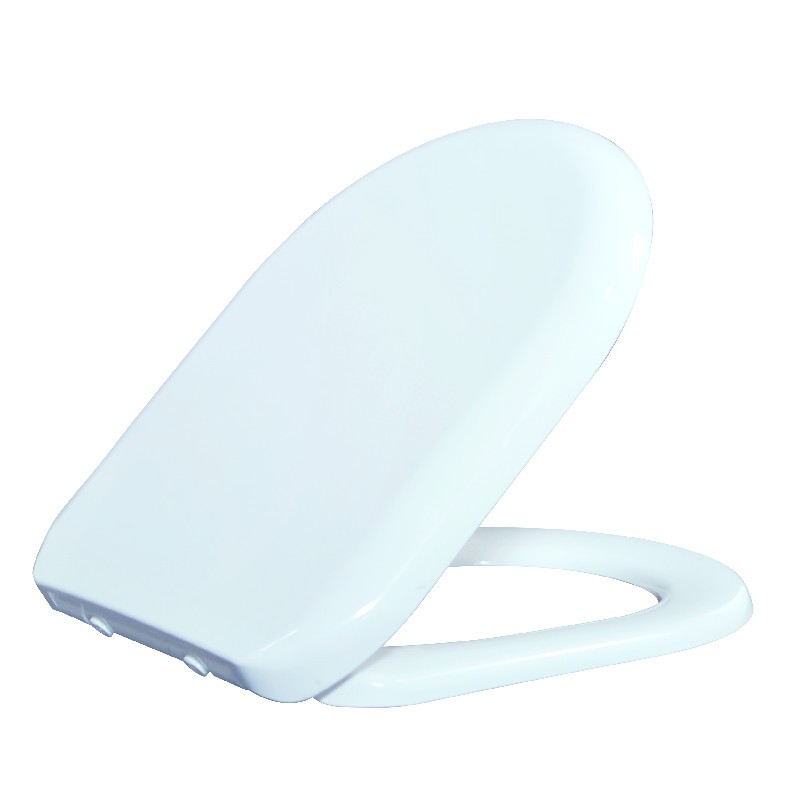
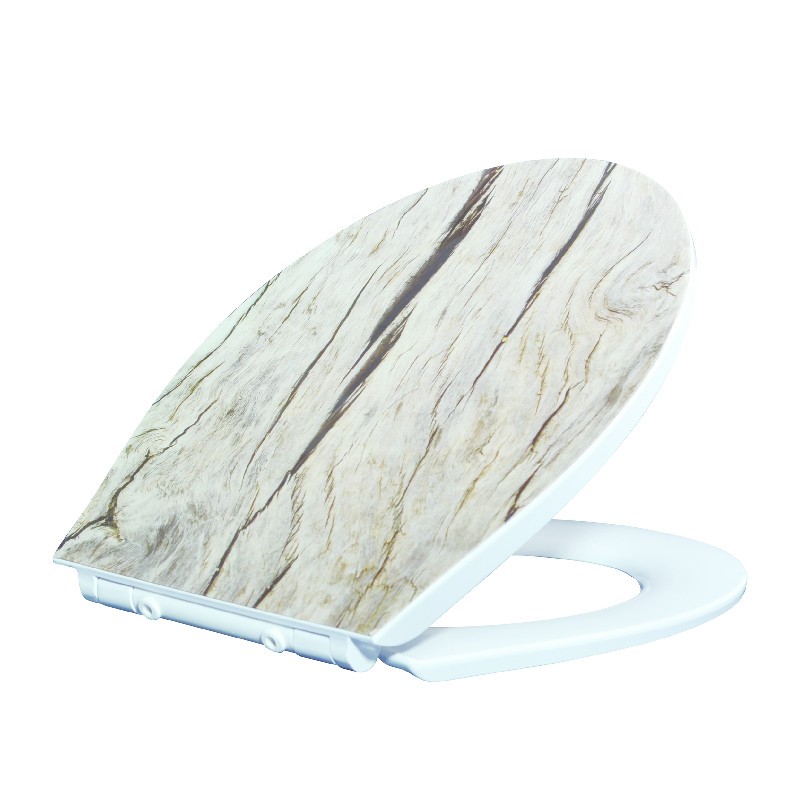
With sustainable development becoming a global focus, many consumers are asking: Can PP toilet seats be recycled? Polypropylene (PP) is a thermoplastic polymer widely used in bathroom fixtures. However, the recyclability of PP toilet seats depends on local recycling facilities, material purity, and dismantling requirements. This article will explore whether PP toilet seats can enter the recycling process, and we will also discuss practical steps for responsibly recycling old toilet seats. After reading this article, you will know exactly how to dispose of used PP toilet seats without harming the environment.
What Is PP and Why Does It Matter for the Toilet Seat?
A PP toilet seat is made from polypropylene, a #5 plastic under the resin identification code. Polypropylene is one of the most widely recycled thermoplastics globally. The PP toilet seat is lightweight, durable, and resistant to chemicals. Unlike mixed-material seats, a pure PP toilet seat can theoretically be melted down and reformed into new products such as automotive parts, storage bins, or garden furniture. However, the toilet seat often includes metal hinges, rubber bumpers, or soft-close mechanisms. These components must be removed before recycling. Therefore, while the PP toilet seat material itself is recyclable, the complete toilet seat assembly requires disassembly. Understanding this distinction is key to responsible disposal.
The Plastic Toilet Lid: Recyclable or Not?
The plastic toilet lid is often made from the same PP material as the PP toilet seat. A plastic toilet lid typically contains fewer additional components—no hinges or dampers—making it easier to recycle. If you have a plastic toilet lid that is pure PP without metal inserts, most municipal recycling programs will accept it. However, some plastic toilet lid models include foam cores or antimicrobial additives that complicate recycling. To determine if your plastic toilet lid is recyclable, look for the #5 PP symbol on the underside. A clean, unbroken plastic toilet lid can often be placed in curbside recycling bins, provided your local facility accepts #5 plastics. Always check with your waste management provider first.
Toilet Seat Cover: A Different Recycling Story
A toilet seat cover is not the same as a PP toilet seat. The term toilet seat cover can refer to either a disposable paper liner or a fabric/foam padded cover that sits on top of the toilet seat. Disposable toilet seat cover products are typically made from paper or non-woven fibers and are not recyclable due to contamination risk. Padded toilet seat cover items often contain multiple materials: foam, fabric, adhesive, and plastic. These multi-material toilet seat cover products are almost never recyclable through curbside programs. If you use a toilet seat cover for comfort or hygiene, be aware that it will likely end up in a landfill. For maximum sustainability, choose a washable toilet seat cover made from natural fibers, or avoid toilet seat cover products altogether and rely on a clean PP toilet seat.
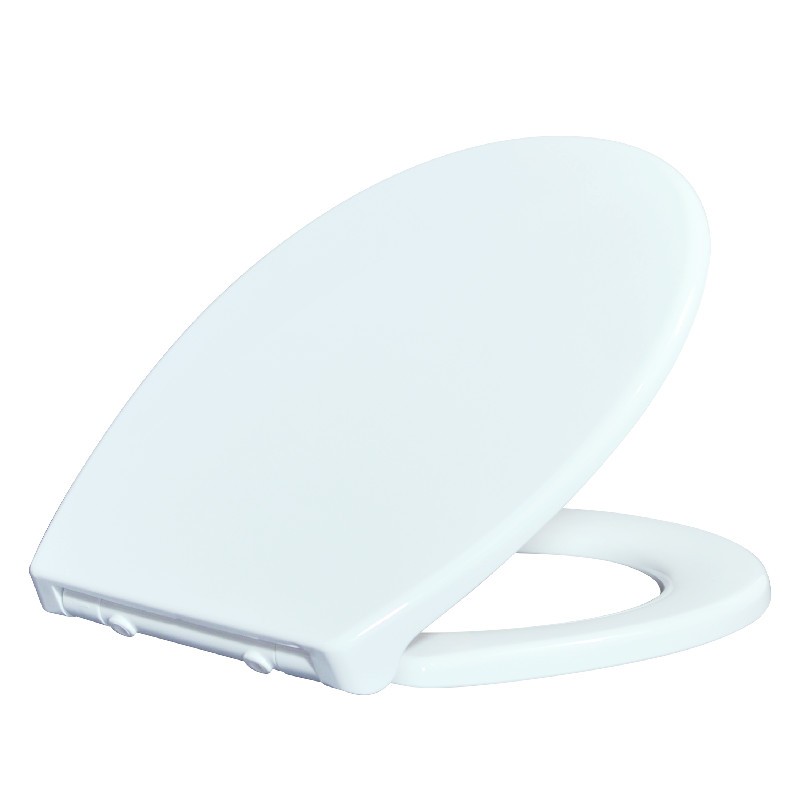
toilet seat cover
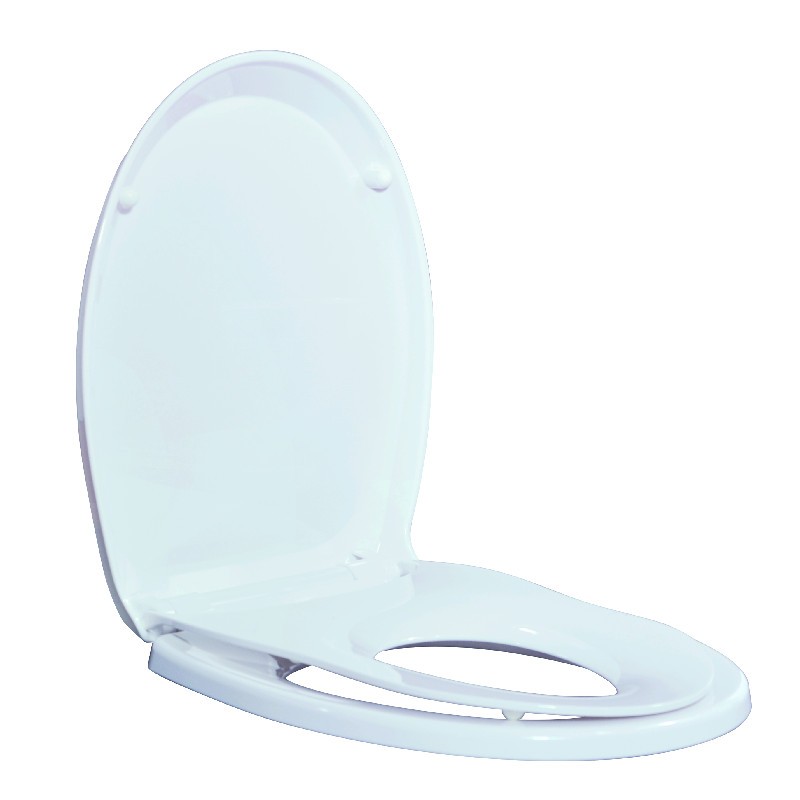
plastic toilet lid
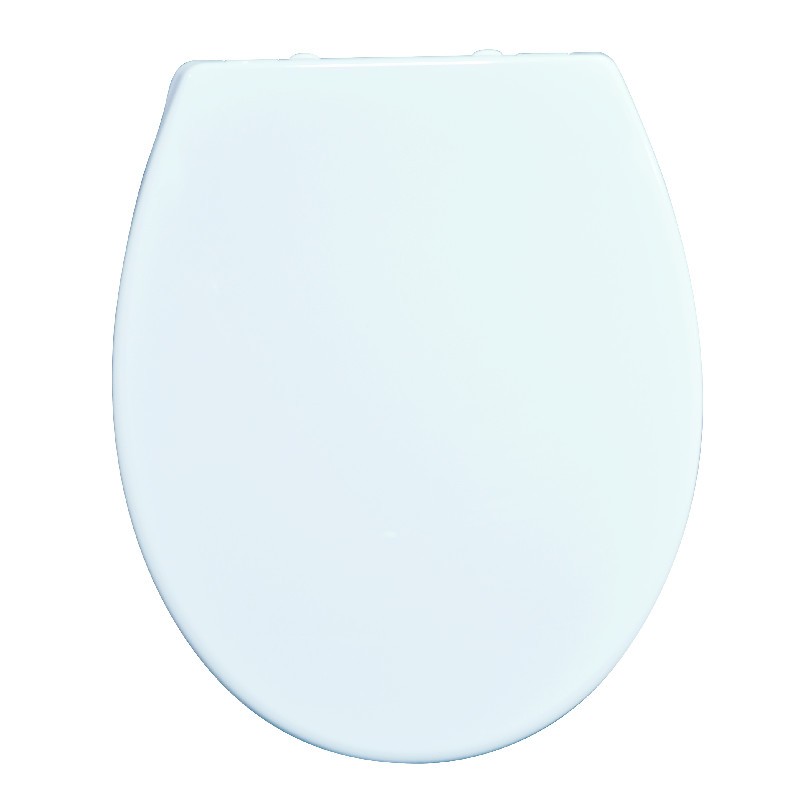
toilet seat cover
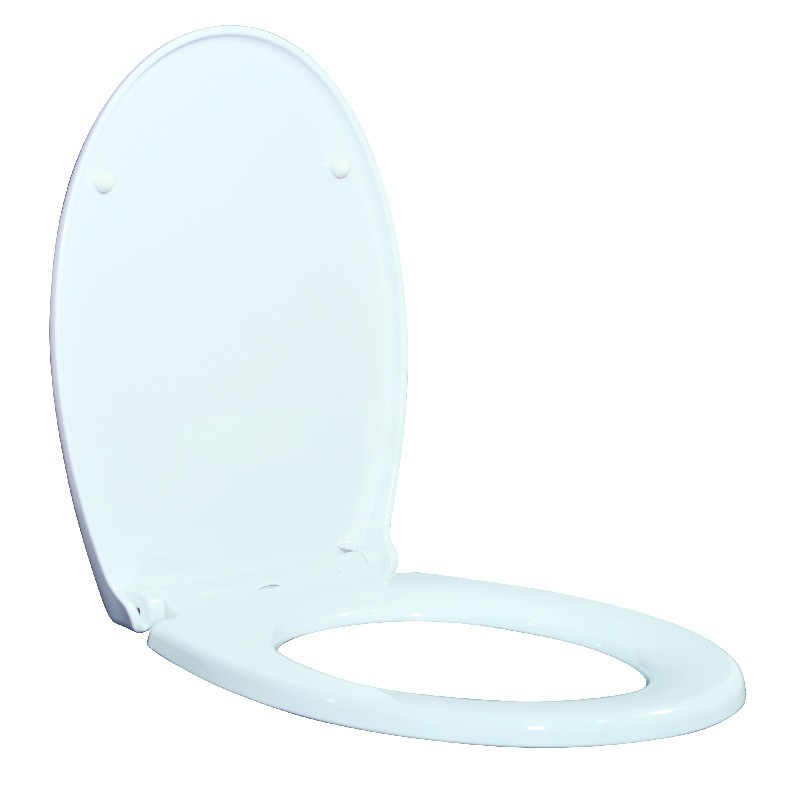
toilet seat cover
Soft Close Plastic Toilet Seat: Recycling Challenges
The soft close plastic toilet seat adds convenience but complicates recycling. A soft close plastic toilet seat contains a hydraulic damper or mechanical gear system inside the hinge. These mechanisms often include metal springs, silicone oil, and non-PP plastics. Therefore, a soft close plastic toilet seat cannot be recycled as a single unit. To recycle the PP portion of a soft close plastic toilet seat, you must disassemble the seat completely. Remove the hinges, unscrew the damper, and separate any rubber bumpers. Only the bare PP toilet seat shell and the plastic toilet lid (if also PP) can go into the recycling bin. Many consumers find this process time-consuming. Some manufacturers now offer take-back programs for soft close plastic toilet seat products. Always check brand websites for recycling partnerships.
How to Prepare Your PP Toilet Seat for Recycling
If you have determined that your PP toilet seat is recyclable, follow these preparation steps. First, remove the PP toilet seat from the toilet bowl using a screwdriver or wrench. Second, detach the plastic toilet lid if it is separate. Third, take off all metal hinges, plastic bumpers, and soft-close cartridges. A soft close plastic toilet seat requires extra care to extract the damper. Fourth, clean the PP toilet seat thoroughly to remove any organic residue. Contaminated toilet seat items may be rejected by recycling facilities. Fifth, look for the #5 PP symbol on the PP toilet seat to confirm material type. Finally, place the cleaned, disassembled PP toilet seat and plastic toilet lid into your curbside recycling bin or drop them at a dedicated plastics recycler. Never put a whole soft close plastic toilet seat into the bin without disassembly.
Local Recycling Variability: Does Your Facility Accept PP?
Not all recycling centers accept #5 plastics, including the PP toilet seat. Before disposing of your PP toilet seat, contact your local municipal recycling program. In the United States, approximately 60% of curbside programs accept #5 plastics. In Europe, PP recycling rates are higher, often exceeding 80%. If your local facility does not accept a PP toilet seat, look for specialty recyclers that handle bulky rigid plastics. Some hardware stores and bathroom retailers offer recycling drop-off for toilet seat products. Alternatively, consider upcycling your old PP toilet seat into a garden kneeling pad, a wall-mounted shelf, or a pet feeding station. The plastic toilet lid can become a cutting board or a signboard. Even a soft close plastic toilet seat can be repurposed creatively. Recycling is ideal, but reusing extends product life and reduces waste.
PP toilet seat products are recyclable, but with important conditions. A pure PP toilet seat without metal or soft-close parts can go directly into #5 plastic recycling streams. The plastic toilet lid is similarly recyclable when clean and disassembled. However, a toilet seat cover made from mixed materials is generally not recyclable. A soft close plastic toilet seat requires full disassembly to separate the PP components from hinges and dampers. Always check local recycling guidelines before disposing of your PP toilet seat. By taking a few extra minutes to clean and disassemble, you can ensure that your old PP toilet seat and plastic toilet lid are transformed into new products rather than occupying landfill space. Choose recyclable bathroom fixtures and dispose of them responsibly for a more sustainable future.
Xiamen Xinkangfei Import & Export Co., Ltd., established in 2017, is located in Xiamen, China. We own an industrial park of approximately 40,000 square meters in Zhejiang Province. We are a professional manufacturer of high-quality toilet seats, committed to becoming a first-class enterprise in product quality and service, and continuously improving our independent innovation capabilities. With years of experience, Xinkangfei boasts a highly qualified professional R&D team, has mastered world-class toilet seat technology, and holds over 10 patents. We provide OEM/ODM services, customizing colors, logos, packaging, and product molds.
