

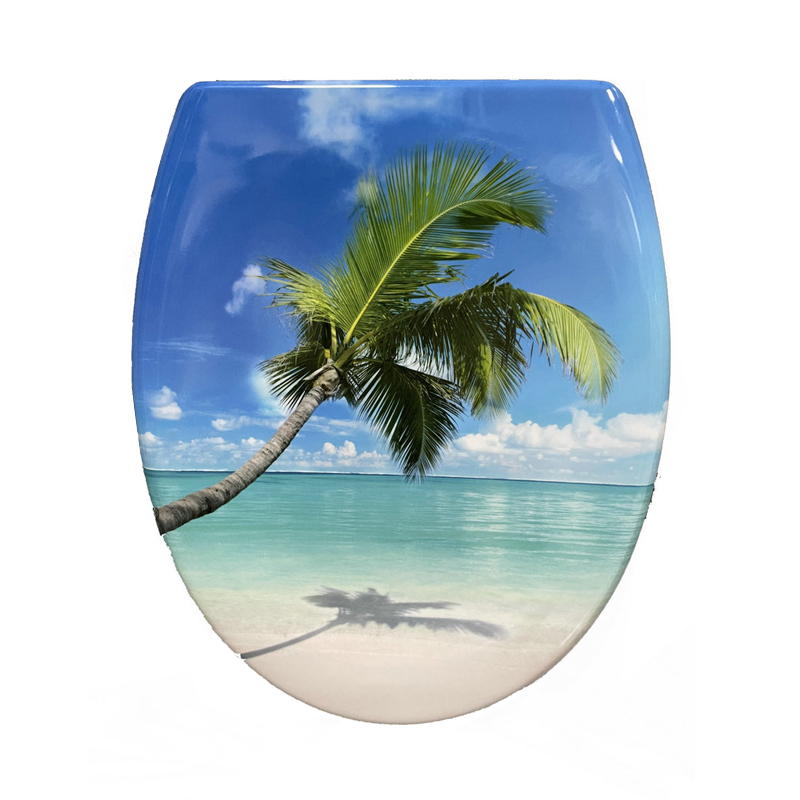
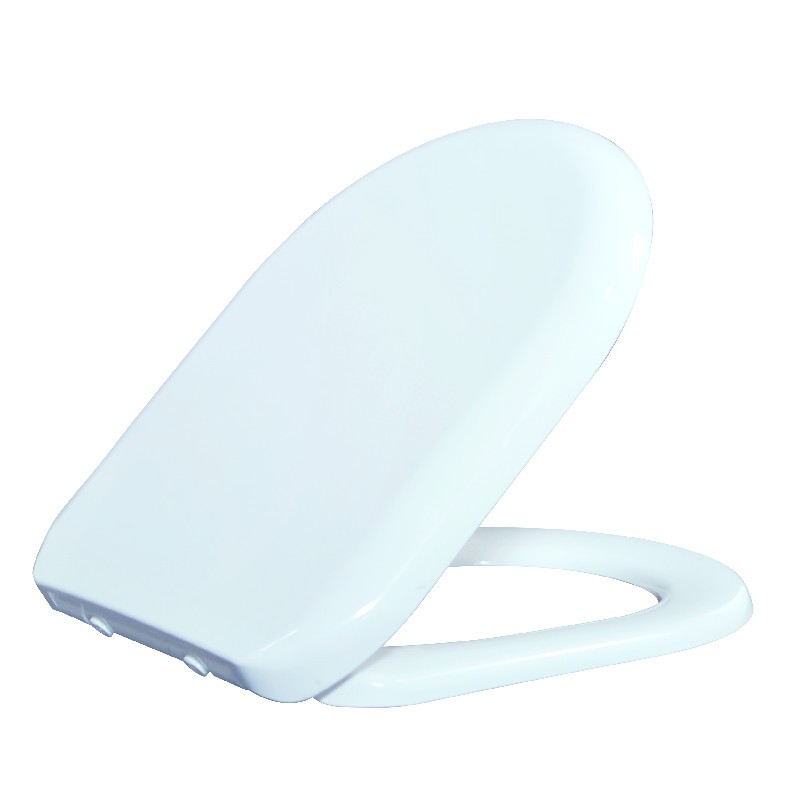
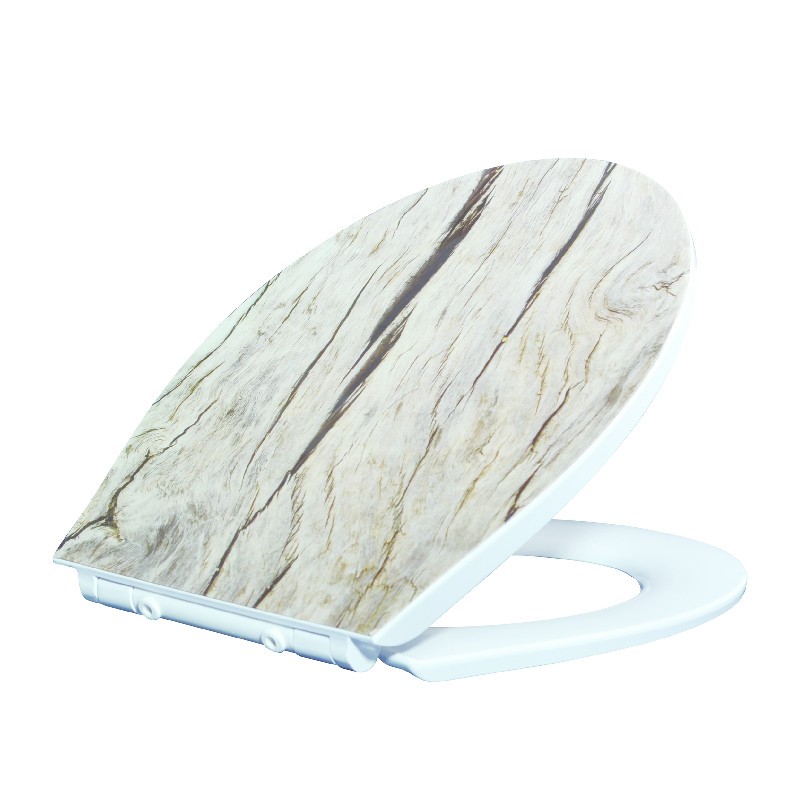
Polypropylene (PP) is one of the most common materials used for toilet seat manufacturing. It is lightweight, affordable, and impact-resistant. However, many users ask: will a PP toilet seat deform under high temperatures? This question is particularly relevant for bathrooms with hot water systems, radiant floor heating, or direct sunlight exposure. Understanding the thermal properties of a PP toilet seat helps consumers make informed purchasing decisions. By the end, you will know exactly how much heat a PP toilet seat can tolerate before warping or losing its shape.
Thermal Properties of PP: Heat Deflection Temperature
A PP toilet seat is made from polypropylene, a thermoplastic polymer with a melting point around 160-170°C (320-338°F). However, deformation begins well below the melting point. The heat deflection temperature (HDT) of a PP toilet seat is approximately 100-110°C (212-230°F) at 0.45 MPa load. This means that if a PP toilet seat is exposed to temperatures above 100°C, it may begin to soften and warp. For comparison, boiling water at 100°C is at the threshold of deformation for a PP toilet seat. Direct contact with hot hair tools, steam cleaners, or sun-baked car interiors can easily exceed this limit. While a PP toilet seat performs well at room temperature, high-temperature environments pose a real risk of permanent deformation.
Common Heat Sources That Can Deform a PP Toilet Seat
Several everyday situations can cause a PP toilet seat to deform. First, using a steam cleaner with nozzle temperatures above 110°C directly on a PP toilet seat can soften the plastic within seconds. Second, leaving a PP toilet seat in a parked car on a summer day—where interior temperatures can reach 80-90°C (176-194°F)—may not immediately deform it, but prolonged exposure near a car window with concentrated sunlight can create localized hot spots above 110°C. Third, spilling boiling water from a nearby sink onto a PP toilet seat can cause visible warping. Fourth, installing a PP toilet seat above a radiant floor heating system set to high temperatures (above 60°C ambient) is generally safe, but direct contact with a heating element is not. Understanding these risks helps protect your PP toilet seat.
PP Toilet Seat vs. Other Materials: Heat Deformation Comparison
How does a PP toilet seat compare to other materials under high heat? A PP toilet seat has a lower heat deflection temperature than a UF toilet seat (urea-formaldehyde, HDT ~180°C) or a wooden toilet seat. However, a PP toilet seat performs better than standard polystyrene or ABS plastics in some cases. The advantage of a PP toilet seat is its flexibility: it may bend under heat rather than crack. But once deformed, a PP toilet seat does not return to its original shape. In contrast, a plastic toilet lid made from the same PP material shares the same thermal limitations. If you frequently use hot cleaning equipment, a PP toilet seat may not be the best choice. For most residential bathrooms with normal temperatures (15-35°C), a PP toilet seat remains stable and reliable.
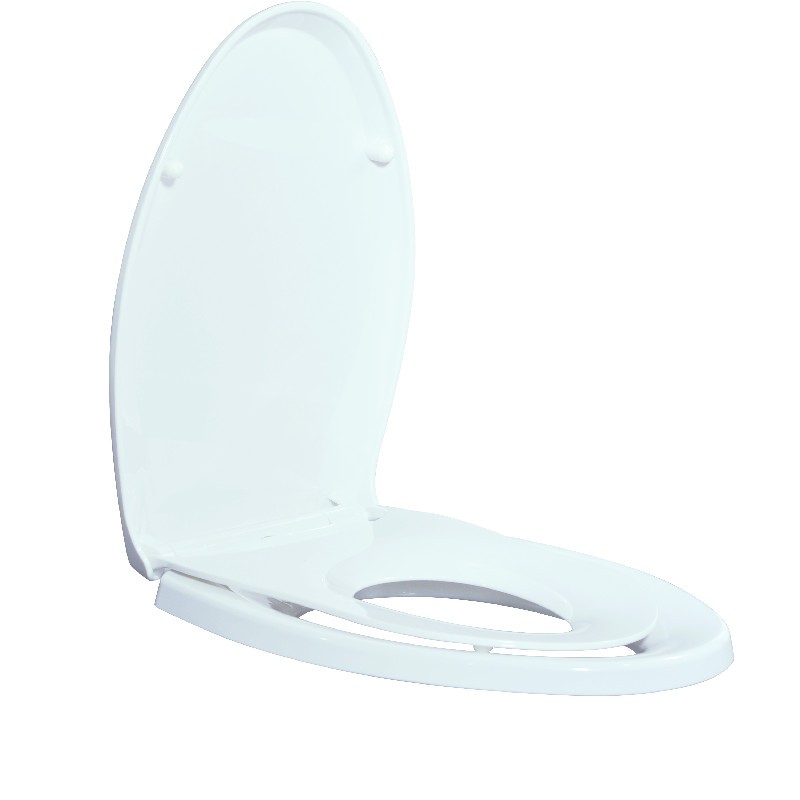
toilet seat cover
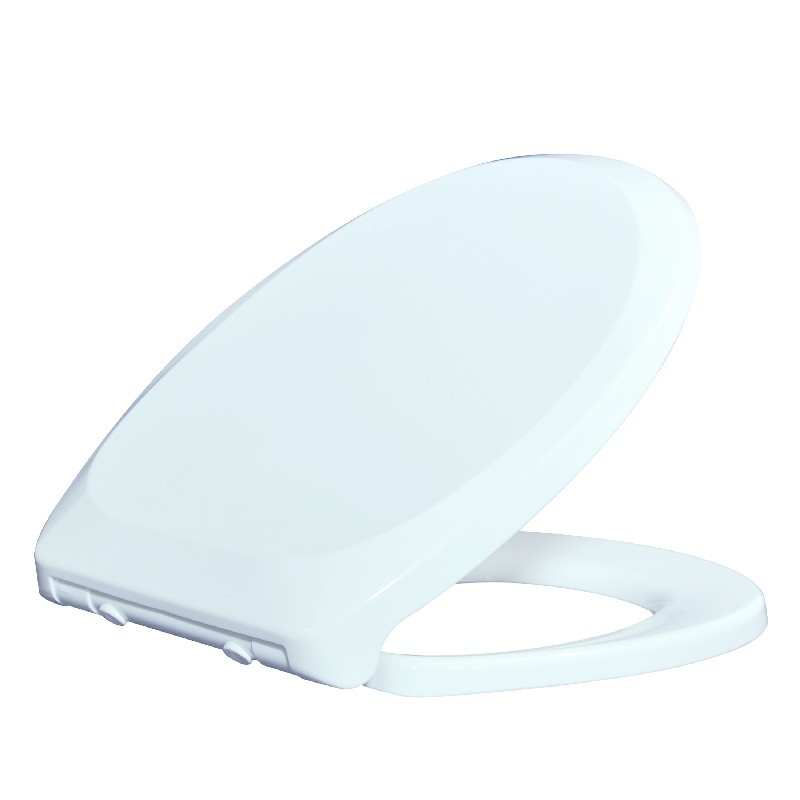
plastic toilet lid
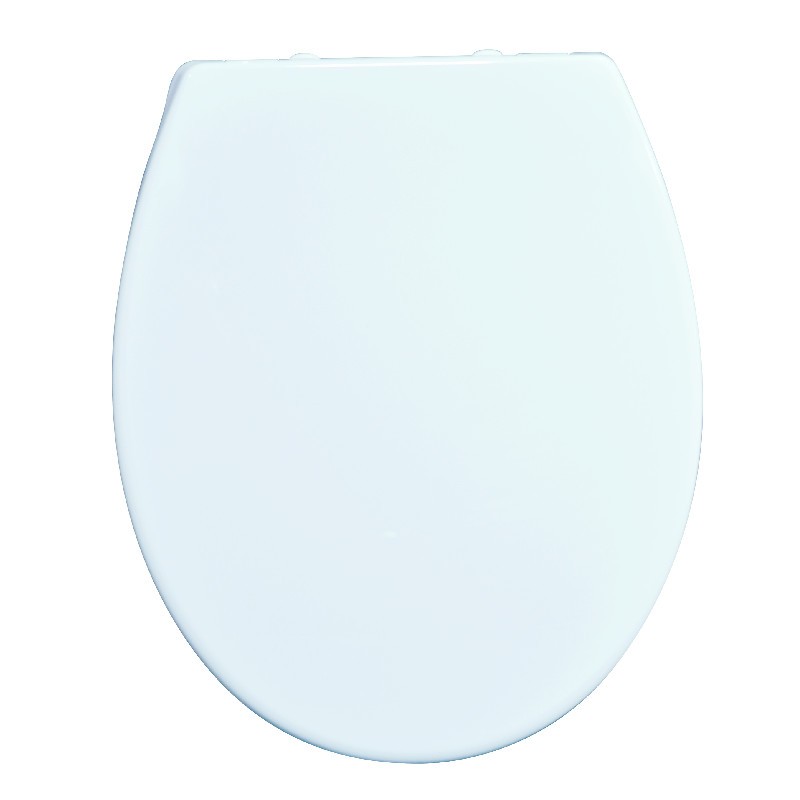
toilet seat cover
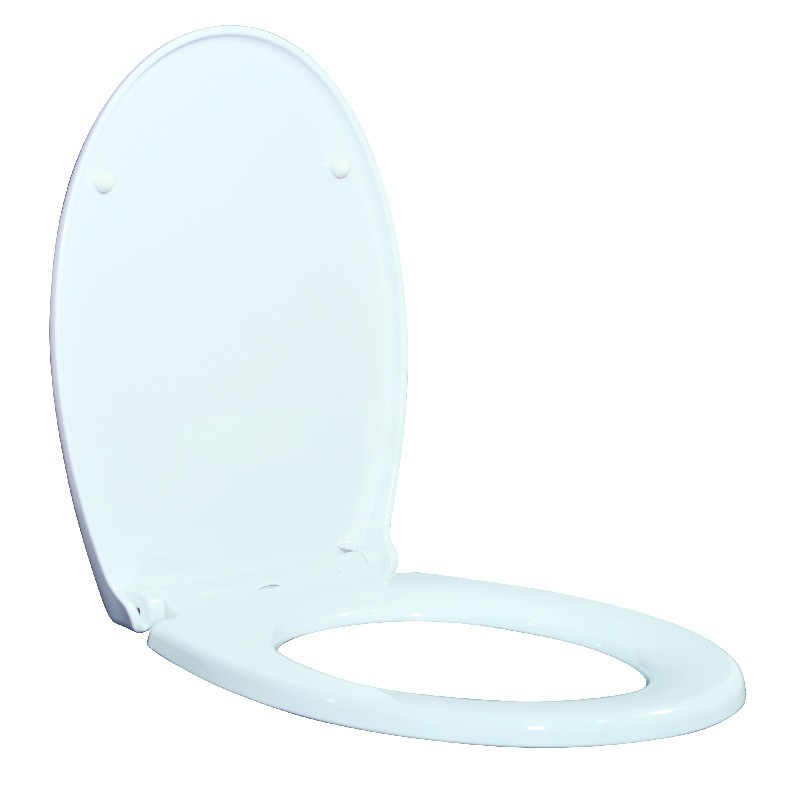
toilet seat cover
The Plastic Toilet Lid: Does It Share the Same Risk?
A plastic toilet lid is often manufactured from the same PP material as the PP toilet seat. Therefore, the plastic toilet lid will deform under similar high-temperature conditions. If a plastic toilet lid is exposed to direct sunlight through a window for many hours, the dark-colored plastic toilet lid can absorb heat and reach temperatures above 70°C (158°F). While this is below the deformation threshold, the plastic toilet lid may become soft to the touch. Repeated thermal cycling—heating and cooling—can cause a plastic toilet lid to develop stress cracks over time. To protect your plastic toilet lid, avoid placing hot objects on it, and keep the plastic toilet lid closed during peak sun hours. Remember that a plastic toilet lid is not designed as a heat-resistant surface.
Toilet Seat Cover: Protection or Risk?
A toilet seat cover—whether disposable or reusable—can provide a thin barrier between a heat source and the PP toilet seat. However, a standard toilet seat cover made from paper or thin fabric offers very little thermal insulation. If boiling water spills onto a toilet seat cover, the liquid will quickly soak through and contact the PP toilet seat underneath. Conversely, a thick, padded toilet seat cover may actually trap heat against the PP toilet seat, potentially worsening deformation if a hot object is placed on it. For thermal protection, a toilet seat cover is not a reliable solution. Instead, focus on preventing high-temperature exposure altogether. Use a toilet seat cover for hygiene, but do not rely on it to protect your PP toilet seat from heat damage.
Soft Close Plastic Toilet Seat: Hinge Performance Under Heat
A soft close plastic toilet seat combines the PP material with a hydraulic or mechanical hinge mechanism. The soft close plastic toilet seat offers the convenience of silent, slow lowering. But how does the hinge fare under high temperatures? The soft close plastic toilet seat hinge typically contains lubricants and rubber seals that can degrade at temperatures above 80°C (176°F). If the soft close plastic toilet seat is exposed to extreme heat, the hinge may leak fluid or lose its damping ability. Additionally, the PP seat itself may warp, causing the soft close plastic toilet seat to no longer align with the bowl. For bathrooms with high-temperature risks (e.g., near saunas or industrial dryers), consider a soft close plastic toilet seat only if ambient temperatures stay below 50°C (122°F). Otherwise, choose a metal-hinge or UF-based alternative.
Practical Tips: Preventing Deformation of Your PP Toilet Seat
To extend the life of your PP toilet seat, follow these heat-avoidance guidelines. First, never pour boiling water directly onto the PP toilet seat. Second, keep hair dryers, curling irons, and steam cleaners away from the toilet seat surface. Third, if your bathroom has strong direct sunlight, close the plastic toilet lid during peak hours to reduce UV heating. Fourth, do not store hot cooking pots or electric kettles on the PP toilet seat. Fifth, when cleaning, use warm water (below 60°C) rather than boiling water. If you notice any warping on your PP toilet seat, replace it immediately because a deformed toilet seat can cause discomfort and improper fit. For high-heat environments, consider upgrading from a PP toilet seat to a UF toilet seat or a thermoset soft close plastic toilet seat with higher heat resistance.
PP Toilet Seats Deform Above 100°C
A PP toilet seat can deform under high temperatures, specifically above 100-110°C (212-230°F). While this threshold is higher than typical bathroom temperatures, common heat sources like steam cleaners, boiling water spills, or concentrated sunlight can cause permanent warping. The plastic toilet lid and soft close plastic toilet seat share the same thermal limitations. A toilet seat cover offers negligible heat protection. For most households with normal usage, a PP toilet seat remains a durable, cost-effective choice. However, if your bathroom experiences extreme heat or direct sunlight for many hours daily, consider a material with higher heat deflection temperature. Understanding the limits of your PP toilet seat allows you to take preventive measures and avoid costly replacements.
