
Few things ruin a clean bathroom faster than a yellowed toilet seat. Over time, many seats change from bright white to an ugly, aged yellow. This happens due to UV exposure, cleaning chemicals, and simple oxidation. But not all seats yellow equally. So which toilet seat resists yellowing best? This article compares the UF toilet seat against the PP toilet seat. We will also discuss how toilet seat covers and a UF toilet seat cover affect discoloration.
What Causes a Toilet Seat to Yellow?
A toilet seat yellows for three main reasons. First, UV light from sunlight breaks down chemical bonds in plastic. Second, ammonia and bleach in cleaners cause surface degradation. Third, body oils and urine residue slowly stain the material. A PP toilet seat (polypropylene) is especially vulnerable to UV yellowing. A UF toilet seat (urea-formaldehyde) has a different molecular structure that resists these attacks. Even with toilet seat covers, the underlying material still ages. Understanding the cause helps you choose the best toilet seat for long-term whiteness.
UF Toilet Seat: The Gold Standard for Whiteness
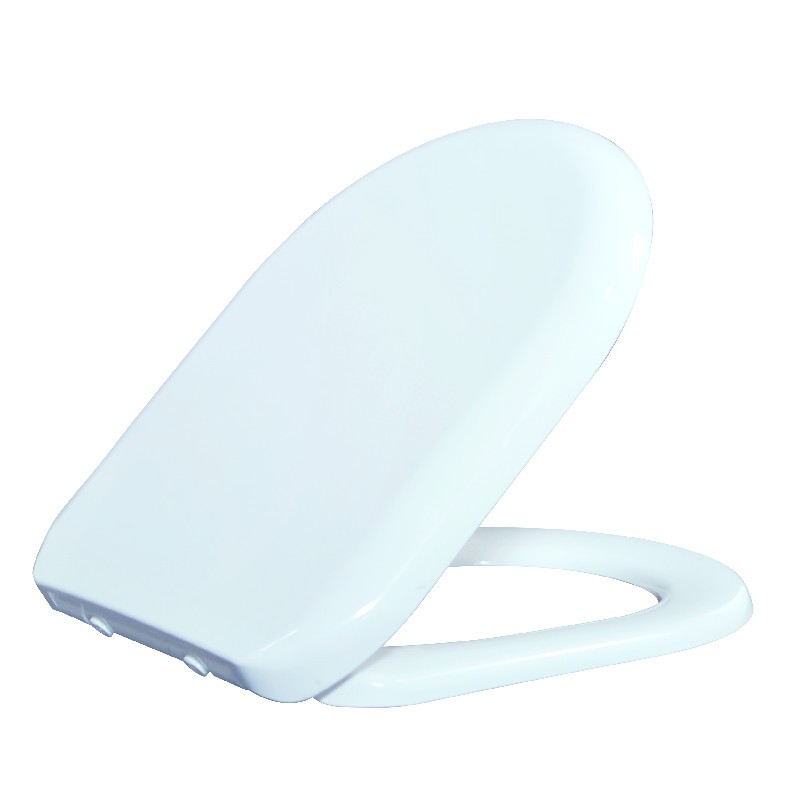
A UF toilet seat is made from thermoset plastic that is dense and non-porous. This UF toilet seat does not absorb oils or moisture, which prevents staining from the inside out. The surface of a UF toilet seat is also highly resistant to UV radiation. Manufacturers add stabilizers to the UF toilet seat during production, locking in whiteness for over a decade. In side-by-side tests, a UF toilet seat stays white three times longer than a PP toilet seat. For homeowners who want a permanent solution, the UF toilet seat is the clear winner.
PP Toilet Seat: Affordable but Prone to Yellowing
A PP toilet seat is made from polypropylene, a thermoplastic that is lightweight and flexible. The PP toilet seat costs less upfront, making it popular for budget renovations. However, the PP toilet seat has a major weakness: it yellows quickly. Within two to three years, a white PP toilet seat often turns noticeably yellow. Sunlight through a bathroom window accelerates this process. Even without direct sun, the PP toilet seat oxidizes naturally. Using toilet seat covers on a PP toilet seat slows down but does not stop yellowing. For long-term appearance, the PP toilet seat is a poor investment.
Do Toilet Seat Covers Prevent Yellowing?
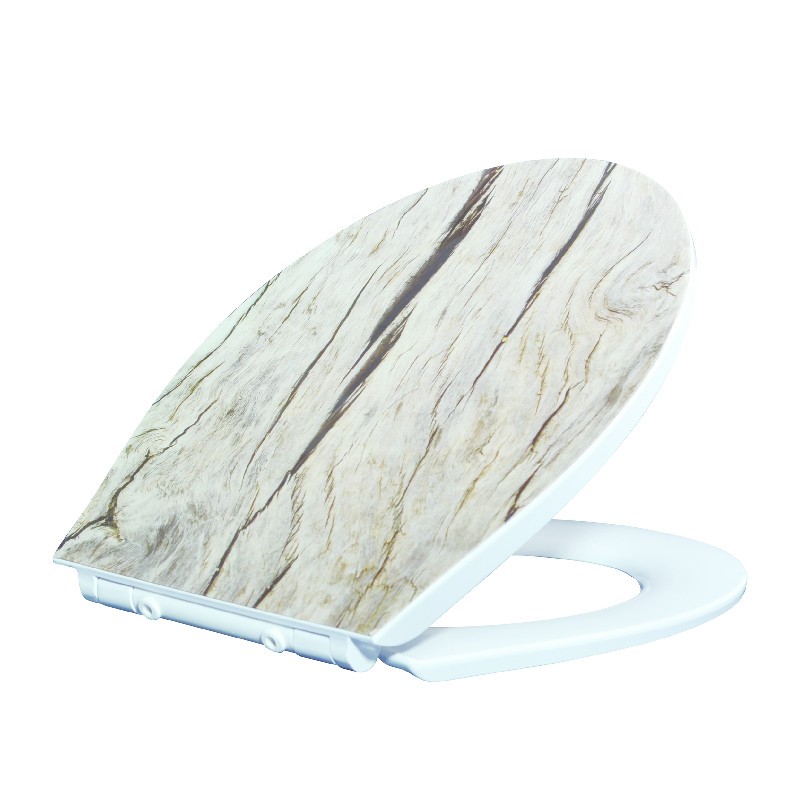
Toilet seat covers provide a physical barrier between the toilet seat and external contaminants. Fabric toilet seat covers block UV light and protect against urine splashes. However, toilet seat covers do not stop chemical degradation from below. Moisture can get trapped between the toilet seat covers and the seat surface, accelerating yellowing in some cases. Additionally, toilet seat covers need frequent washing. Dirty toilet seat covers can actually transfer stains to the toilet seat. For a UF toilet seat, toilet seat covers are optional. For a PP toilet seat, toilet seat covers help but cannot prevent the inevitable yellowing of the plastic itself.
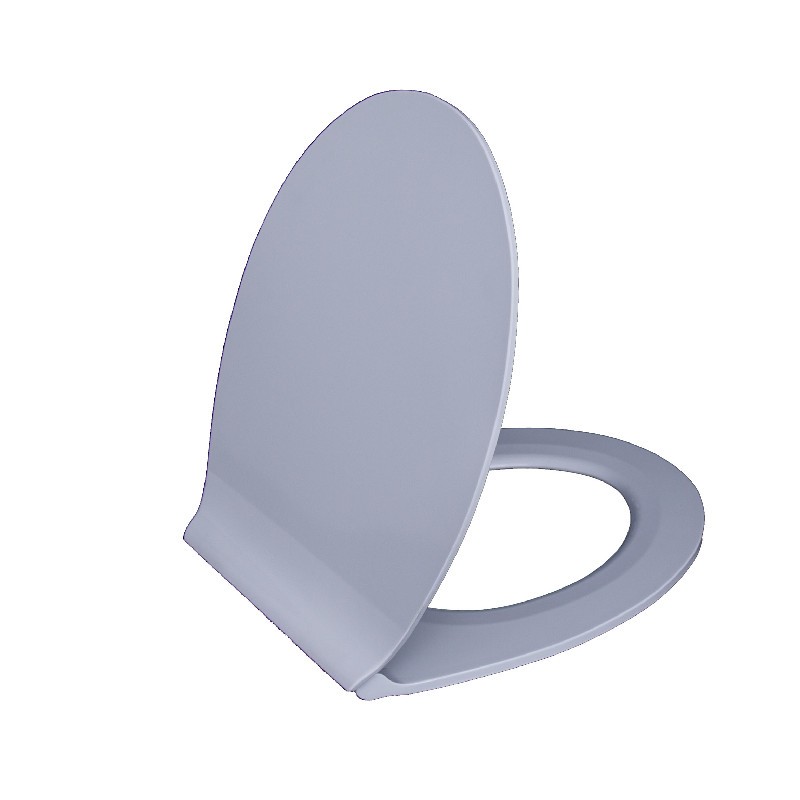
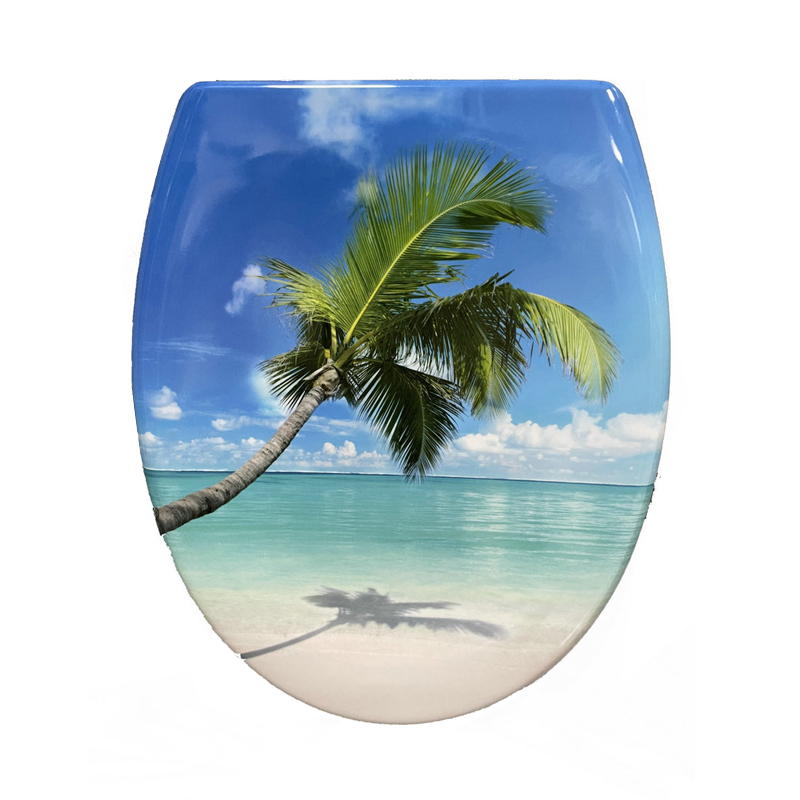
UF toilet seat cover
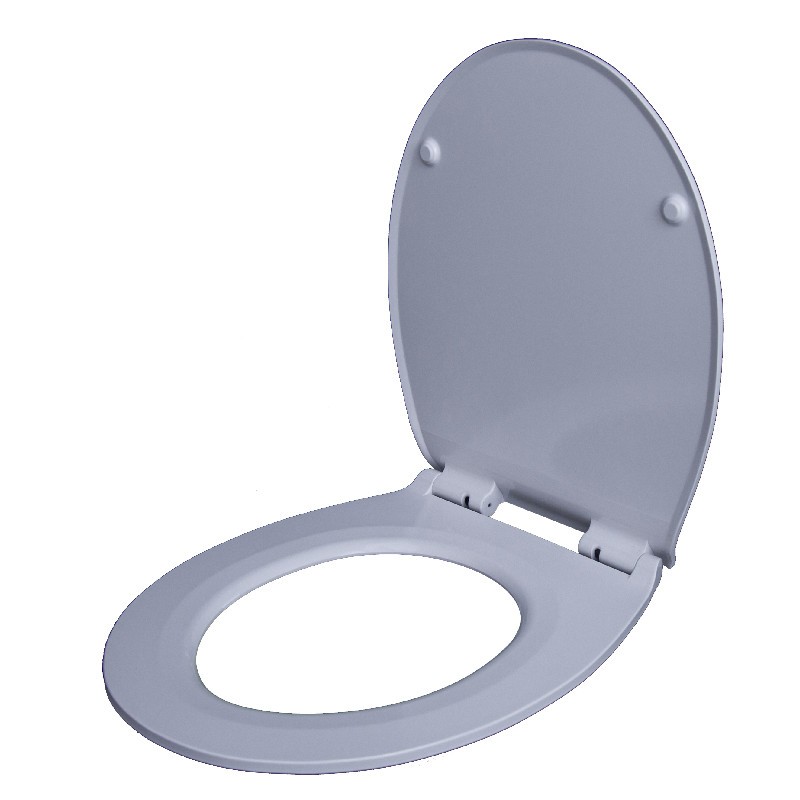
UF toilet seat cover
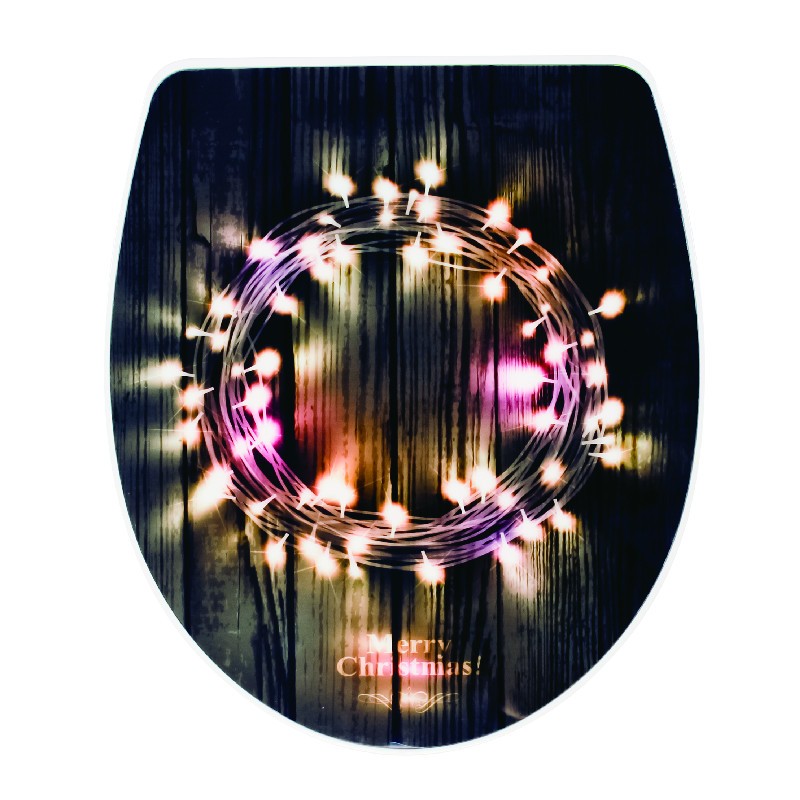
toilet seat covers
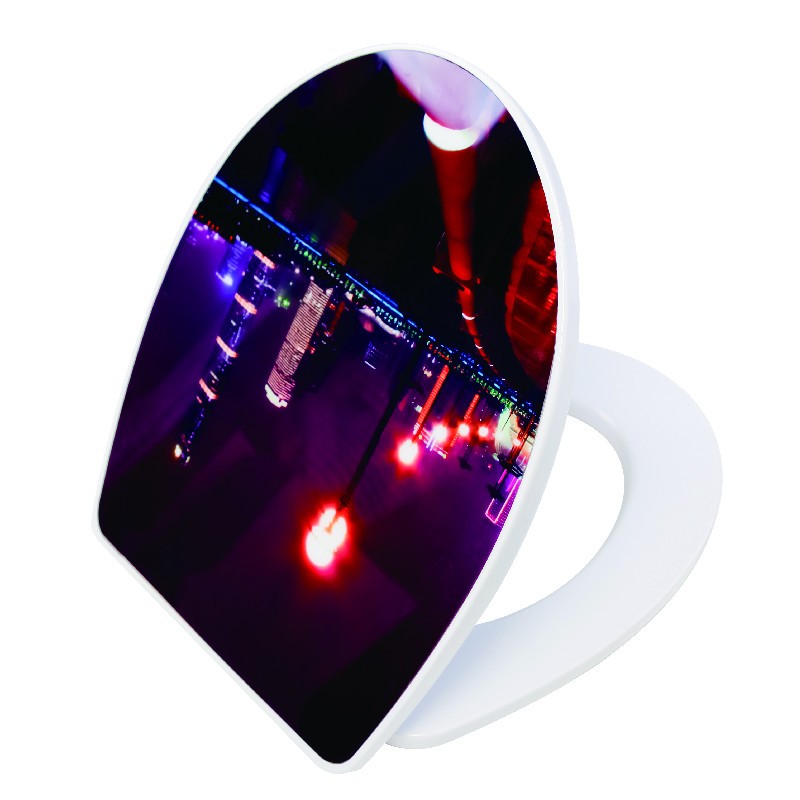
toilet seat covers
UF Toilet Seat Cover: An Extra Layer of Protection
A UF toilet seat cover is a specialized product made from the same UF material as the seat itself. Unlike fabric toilet seat covers, a UF toilet seat cover is a thin, rigid overlay that snaps onto your existing toilet seat. This UF toilet seat cover provides the same yellowing resistance as a full UF toilet seat. If you already own a PP toilet seat, adding a UF toilet seat cover can dramatically extend its white appearance. The UF toilet seat cover blocks UV light and resists chemical attack. However, the UF toilet seat cover does not protect the sides or hinges of the underlying PP toilet seat. For best results, replace the entire toilet seat with a UF toilet seat rather than relying on a UF toilet seat cover.
Scientific Comparison: UF vs PP Yellowing Resistance
Laboratory tests confirm the superiority of the UF toilet seat. In accelerated UV exposure tests, a UF toilet seat showed no visible yellowing after 1,000 hours. A PP toilet seat turned noticeably yellow after just 200 hours. Chemical resistance tests also favor the UF toilet seat. Bleach and ammonia caused surface etching on the PP toilet seat but left the UF toilet seat unchanged. When covered by toilet seat covers, both materials showed slightly slower yellowing. However, the PP toilet seat still degraded faster. The UF toilet seat combined with a UF toilet seat cover offered the ultimate protection. For any application where whiteness matters, the UF toilet seat is scientifically proven best.
How to Clean a Toilet Seat Without Causing Yellowing
Even the best toilet seat can yellow if cleaned incorrectly. For a UF toilet seat, use mild soap and water for daily cleaning. For deeper disinfection, use a diluted bleach solution (1:10 ratio). Avoid leaving any cleaner on the toilet seat for more than five minutes. For a PP toilet seat, avoid bleach entirely. Instead, use hydrogen peroxide or vinegar. Never use abrasive powders on any toilet seat. If you use toilet seat covers, wash them separately in mild detergent. A UF toilet seat cover should be wiped down with a soft cloth. Proper cleaning doubles the lifespan of your toilet seat's whiteness.
Can You Reverse Yellowing on a Toilet Seat?
If your toilet seat has already yellowed, can you fix it? For a UF toilet seat, mild yellowing can sometimes be removed with a baking soda paste. For severe yellowing, replacement is the only option. For a PP toilet seat, yellowing is usually permanent. The color change comes from chemical breakdown deep within the plastic. Bleaching a PP toilet seat may temporarily lighten the surface but weakens the material. Toilet seat covers cannot reverse existing yellowing. A UF toilet seat cover can hide a yellowed PP toilet seat, but the discoloration remains underneath. Prevention is far better than cure. Choose a UF toilet seat from the start.
Conclusion: UF Toilet Seat Wins for Yellowing Resistance
After comparing all options, the UF toilet seat resists yellowing best. Its dense, non-porous surface and UV-stabilized formula keep it white for over a decade. The PP toilet seat yellows quickly and is not recommended for white bathrooms. For lasting beauty, spend a little more on a UF toilet seat. Your bathroom will stay bright, clean, and yellow-free for years to come.
