
When discussing bathroom hygiene, the toilet seat is often overlooked. However, the material of your toilet seat directly influences bacterial survival, cleaning efficiency, and long-term sanitation. Not all seats are equal. From porous surfaces to non-absorbent polymers, the choice of a toilet seat can either promote or prevent microbial growth. This article explores how different materials affect hygiene, with a focus on modern solutions like the bidet toilet seat, disposable toilet seat covers, and two popular thermoplastics: UF toilet seat and PP toilet seat. Understanding these differences helps consumers make informed, health-conscious decisions.
Porous vs. Non-Porous Surfaces: Bacterial Retention on the Toilet Seat
A toilet seat made of wood or unsealed plastic can absorb moisture and organic matter, creating a breeding ground for bacteria like E. coli and Staphylococcus. Non-porous materials, conversely, prevent liquid penetration and allow easy wiping. For example, a UF toilet seat (urea-formaldehyde) is dense and non-porous, reducing bacterial adhesion. In contrast, a lower-quality PP toilet seat (polypropylene) may have micro-grooves that trap debris. Therefore, the hygiene level of any toilet seat starts with surface porosity. Public health studies confirm that smooth, non-absorbent toilet seat materials reduce cross-contamination by over 90% compared to porous alternatives.
The Bidet Toilet Seat: A Hygienic Evolution
The bidet toilet seat integrates water washing and warm air drying, minimizing physical contact with fecal matter. However, the material of the bidet toilet seat still matters. Most bidet toilet seat models use durable plastics, but a UF toilet seat variant offers superior resistance to stains and chemicals. Even with advanced cleaning features, the toilet seat part of a bidet toilet seat must be easy to sanitize. Some bidet toilet seat units allow removable panels, but the core toilet seat material dictates long-term hygiene. For best results, choose a bidet toilet seat with a non-porous, antimicrobial toilet seat surface.
UF Toilet Seat: The Premium Choice for Hygiene
A UF toilet seat is made from urea-formaldehyde resin, a thermosetting plastic. This UF toilet seat is heavier, harder, and more resistant to scratches than thermoplastic seats. Because a UF toilet seat has a glossy, non-porous finish, bacteria cannot easily colonize it. Cleaning a UF toilet seat requires only mild detergent and a cloth. Unlike cheaper seats, a UF toilet seat does not yellow or warp under UV light or heat. For hospitals, hotels, and high-traffic bathrooms, a UF toilet seat is the gold standard. When comparing a UF toilet seat to a PP toilet seat, the UF toilet seat wins in hygiene and durability.
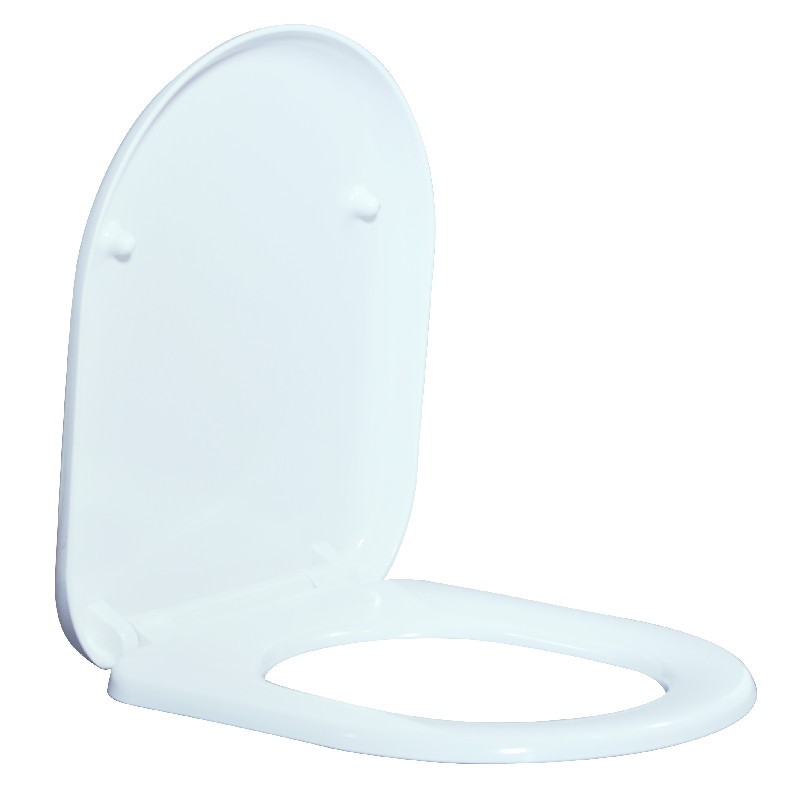
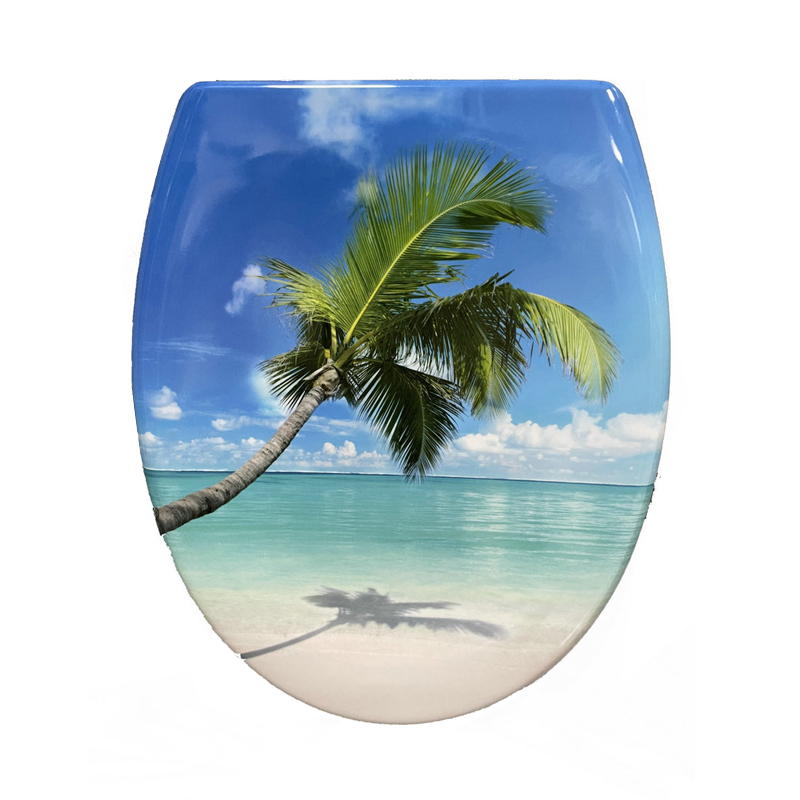
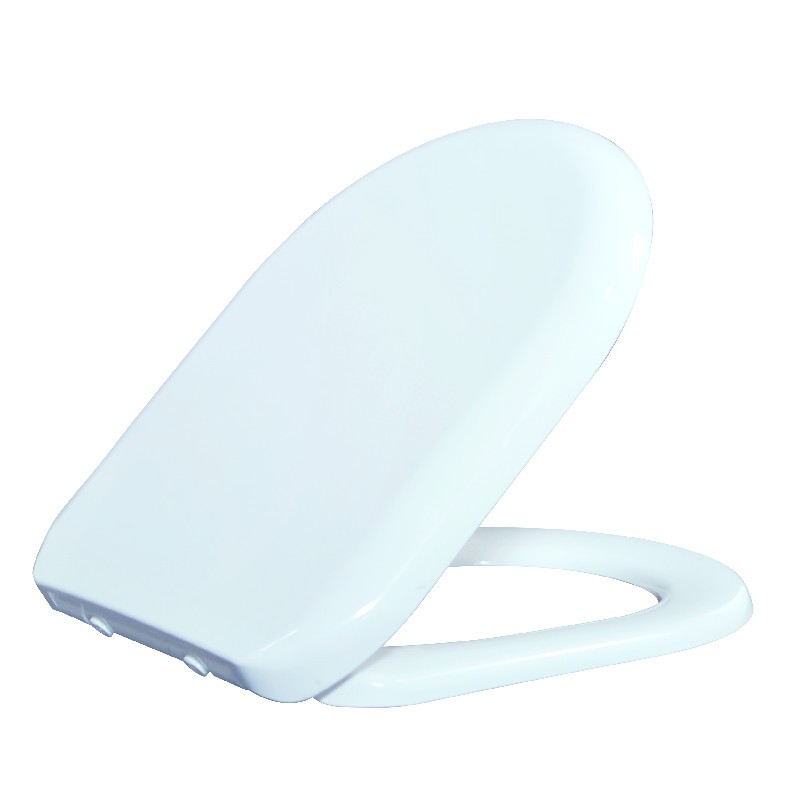
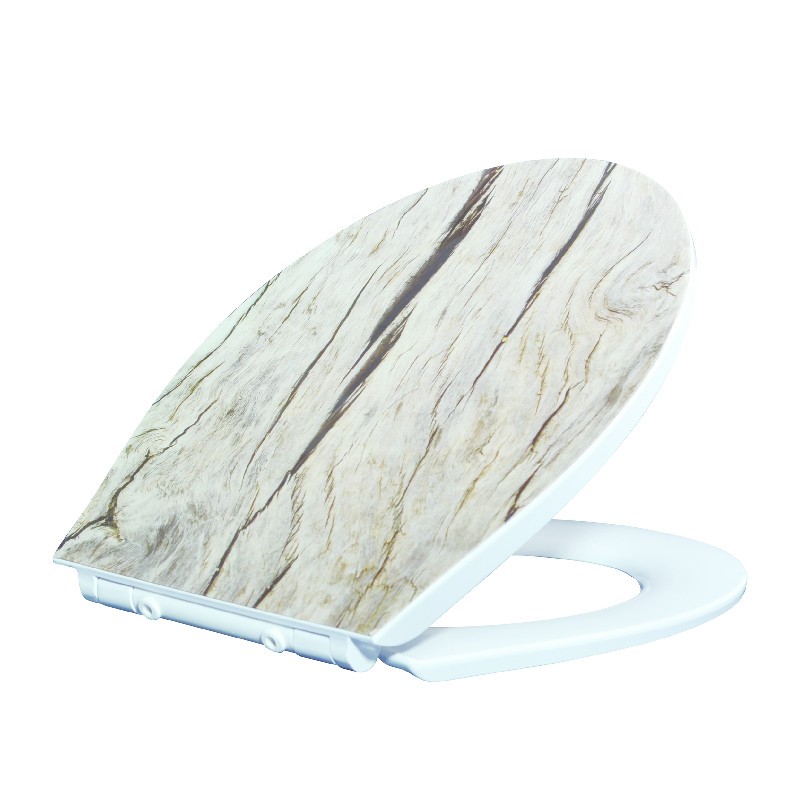
toilet seat covers
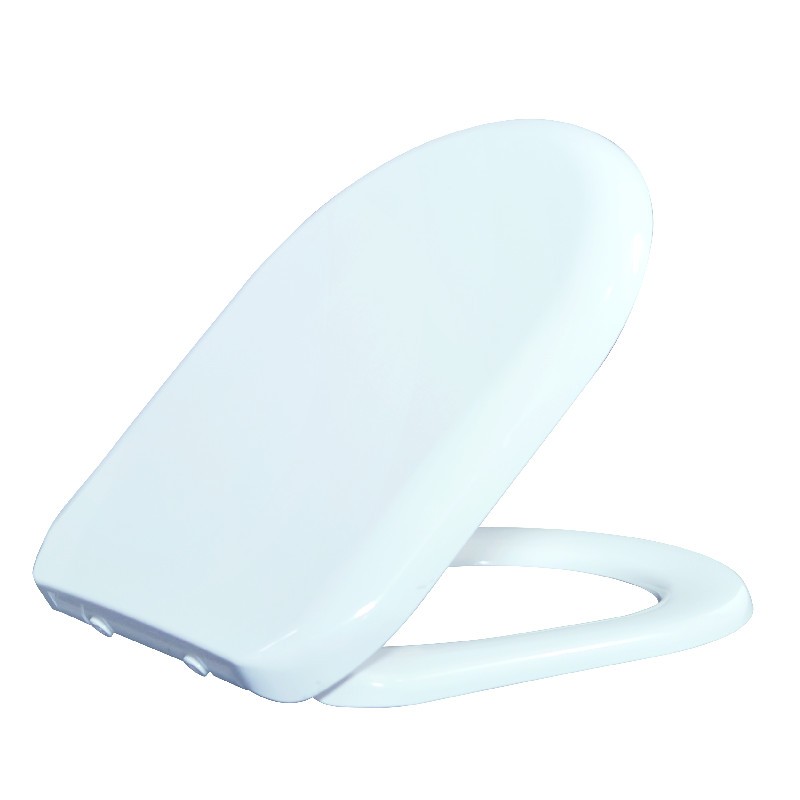
toilet seat covers
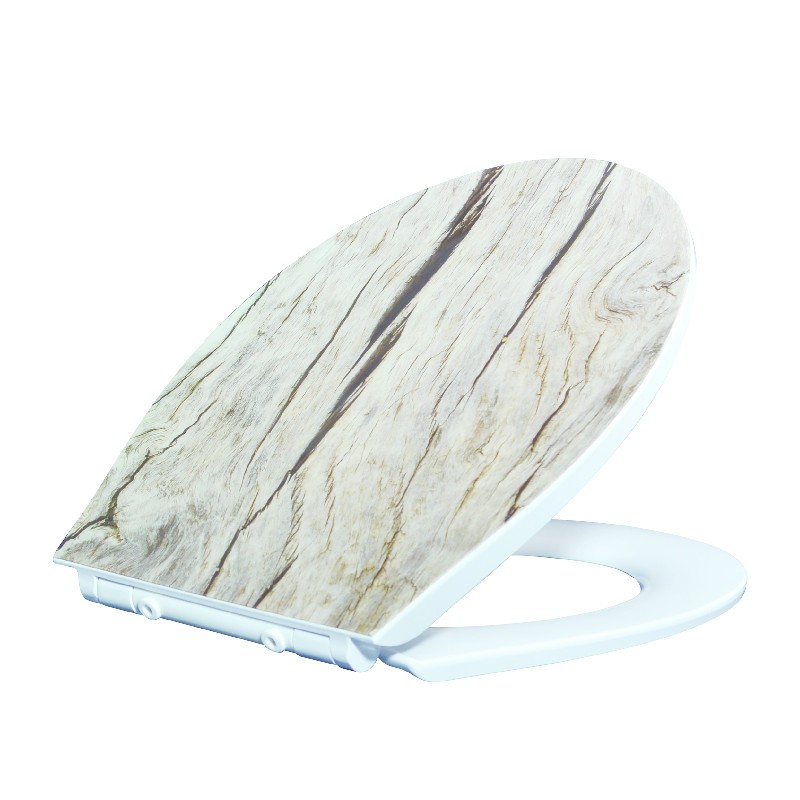
toilet seat covers
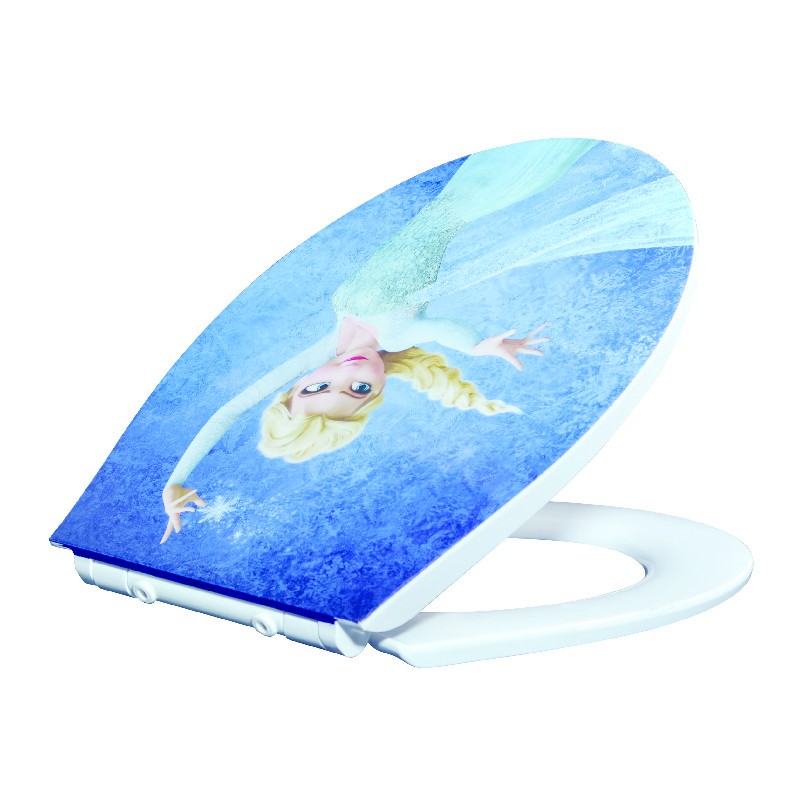
toilet seat covers
PP Toilet Seat: Affordable but Less Hygienic
A PP toilet seat is made from polypropylene, a thermoplastic. This PP toilet seat is lightweight, flexible, and cost-effective. However, a PP toilet seat often has a lower surface hardness, making it prone to microscratches that harbor bacteria. While a PP toilet seat is non-porous in theory, repeated cleaning with abrasive pads can damage its surface. A scratched PP toilet seat becomes a hygiene risk. Additionally, a PP toilet seat may absorb odors over time. If budget allows, upgrading from a PP toilet seat to a UF toilet seat improves sanitation. Yet, a well-maintained PP toilet seat with smooth glaze remains acceptable for low-use bathrooms.
The material of your toilet seat directly impacts hygiene. For maximum safety, a UF toilet seat offers the best non-porous, durable surface. A PP toilet seat is economical but requires careful maintenance. Adding a bidet toilet seat enhances personal cleaning, but the bidet toilet seat material should also be non-absorbent. Disposable toilet seat covers help in public settings but do not replace a clean toilet seat. Ultimately, investing in a high-quality toilet seat material reduces infection risks and simplifies cleaning. When shopping for a toilet seat, prioritize density, surface finish, and ease of sanitation over price alone.
Xiamen Xinkangfei Import & Export Co., Ltd., established in 2017, is located in Xiamen, China. We own an industrial park of approximately 40,000 square meters in Zhejiang Province. We are a professional manufacturer of high-quality toilet seats, committed to becoming a first-class enterprise in product quality and service, and continuously improving our independent innovation capabilities. With years of experience, Xinkangfei boasts a highly qualified professional R&D team, has mastered world-class toilet seat technology, and holds over 10 patents. We provide OEM/ODM services, customizing colors, logos, packaging, and product molds.
