

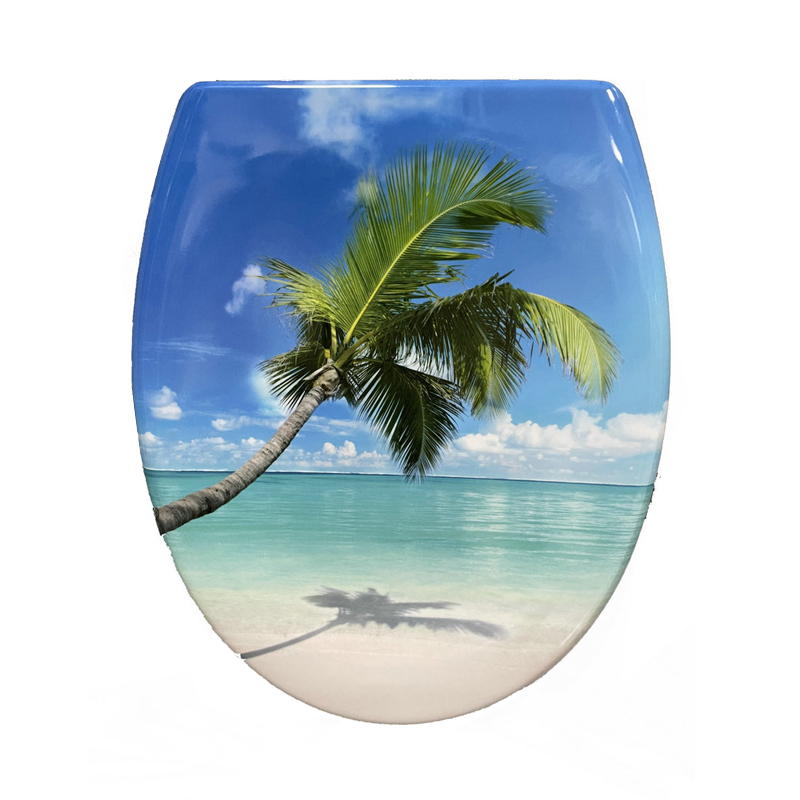
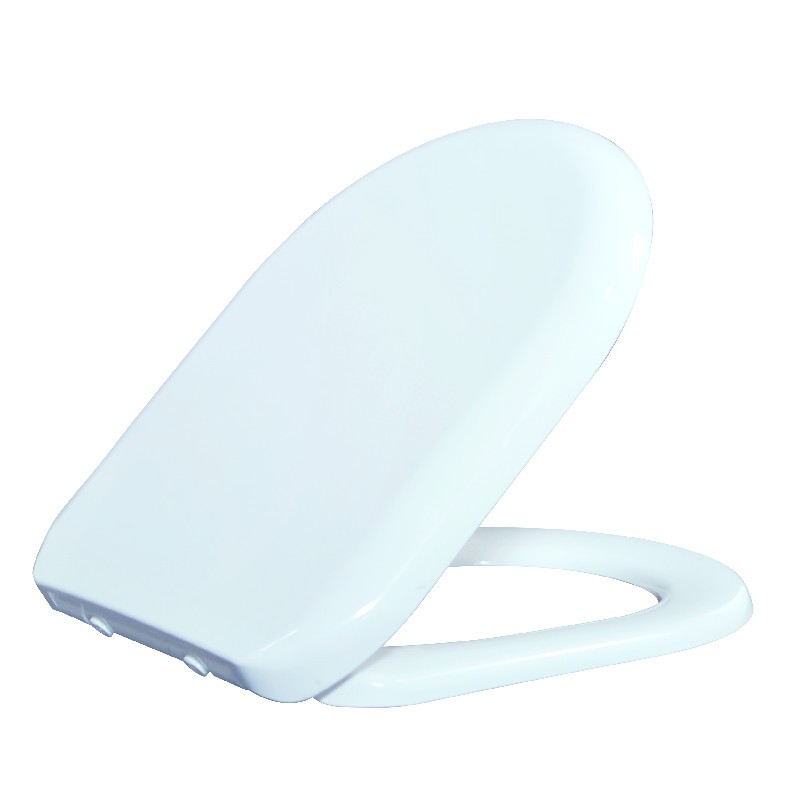
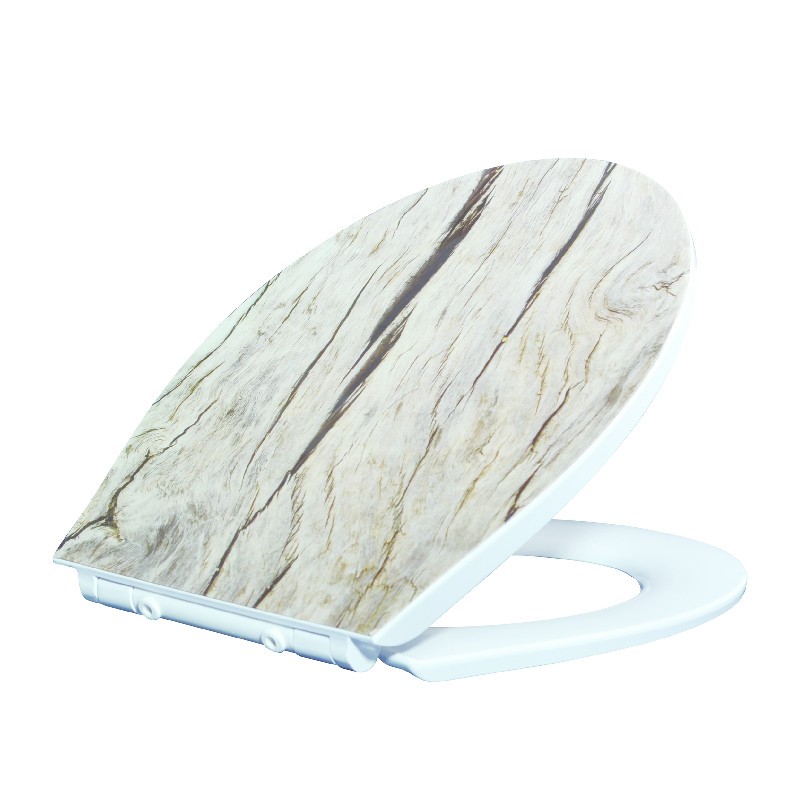
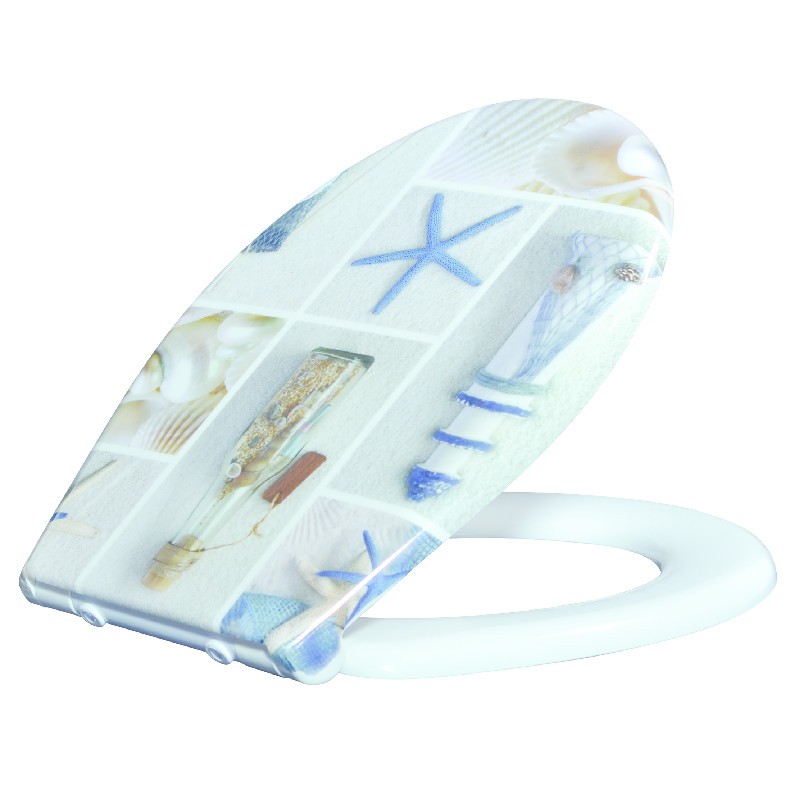
In public restrooms, the toilet seat endures heavy impacts, frequent cleaning, and deliberate abuse. Choosing the wrong shape leads to cracks, loose hinges, and rapid replacement. But which geometry lasts longest? While materials matter, the shape of a toilet seat determines stress distribution and failure points. We also examine how disposable toilet seat covers interact with each design. By understanding shape-related durability, facility managers can reduce costs and improve user satisfaction.
The Round Toilet Seat: Compact but Vulnerable
The round toilet seat is a traditional choice for small public stalls. Its circular front profile saves space, but this compact round toilet seat concentrates user weight into a small area. Over time, a round toilet seat often develops cracks at the rear corners near the hinges. Additionally, the round toilet seat has a shorter front-to-back distance, encouraging users to lean forward, which transfers torque to the mounting bolts. When users stand on the front rim, a round toilet seat can snap at the center line. For low-volume restrooms, a round toilet seat may suffice, but heavy traffic quickly destroys it. Even with reinforced materials, the round toilet seat remains structurally weaker than open-front designs. Therefore, a round toilet seat is not recommended for bus stations, schools, or stadiums.
Square Toilet Seat: Aesthetic but Impractical
The square toilet seat appears in modern luxury restrooms. Its sharp corners and straight edges create a distinctive look. However, the square toilet seat is the least durable shape for public use. Why? A square toilet seat has 90-degree corners that act as stress concentrators. When a heavy user sits down, the corner of a square toilet seat experiences disproportionate force, leading to hairline fractures. Moreover, a square toilet seat does not align well with standard toilet bowls, which are typically round or elongated. The mismatch causes uneven pressure on the square toilet seat during sitting. Cleaning crews also find that a square toilet seat traps debris in its corners. While a square toilet seat looks elegant in a private home, it fails quickly in public restrooms. Avoid the square toilet seat for any high-traffic application.
round toilet seat
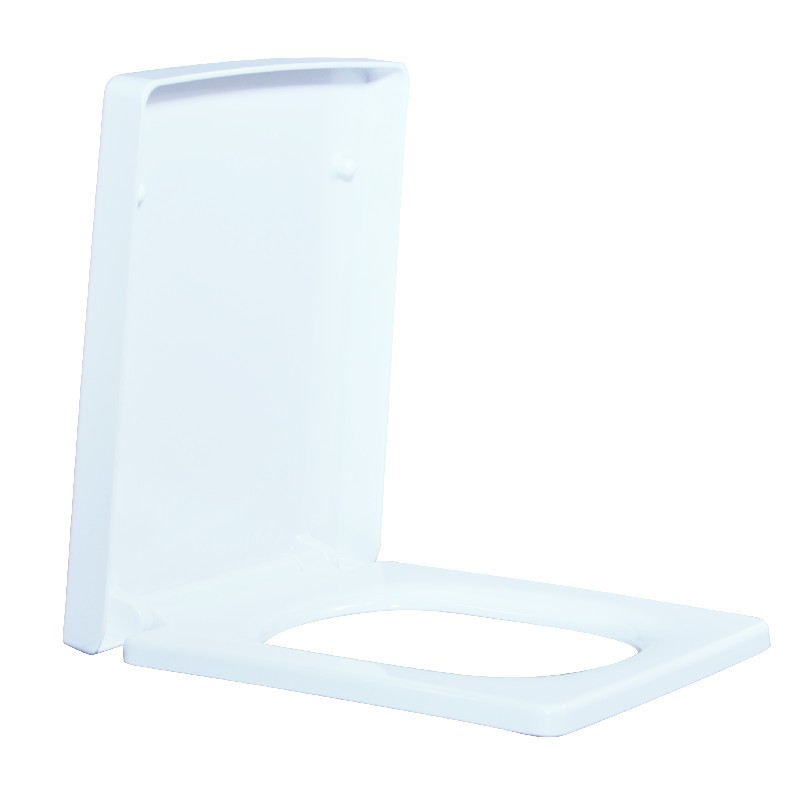
square toilet seat
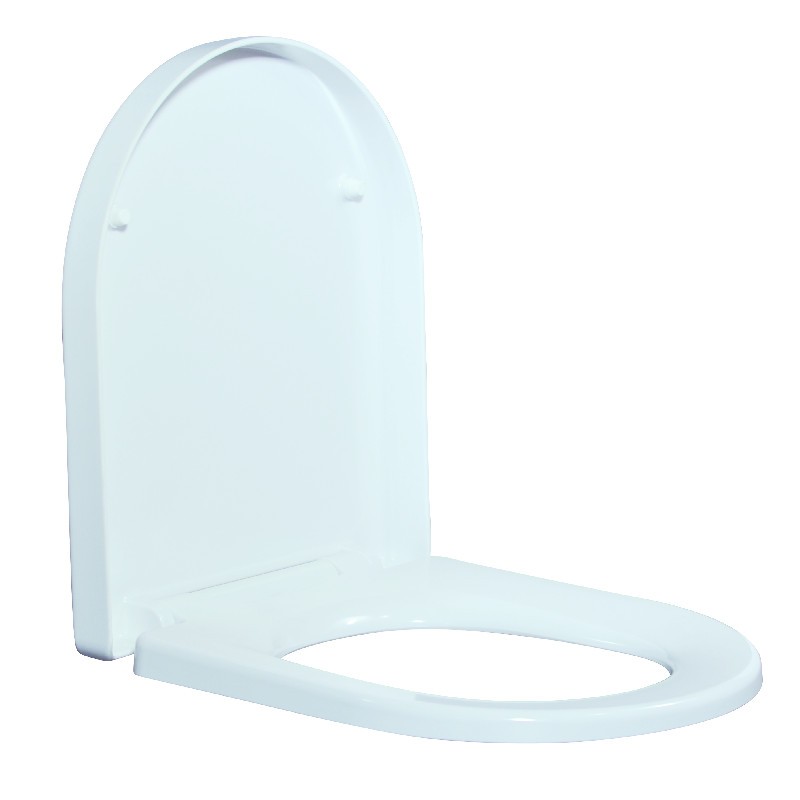
U shaped toilet seat
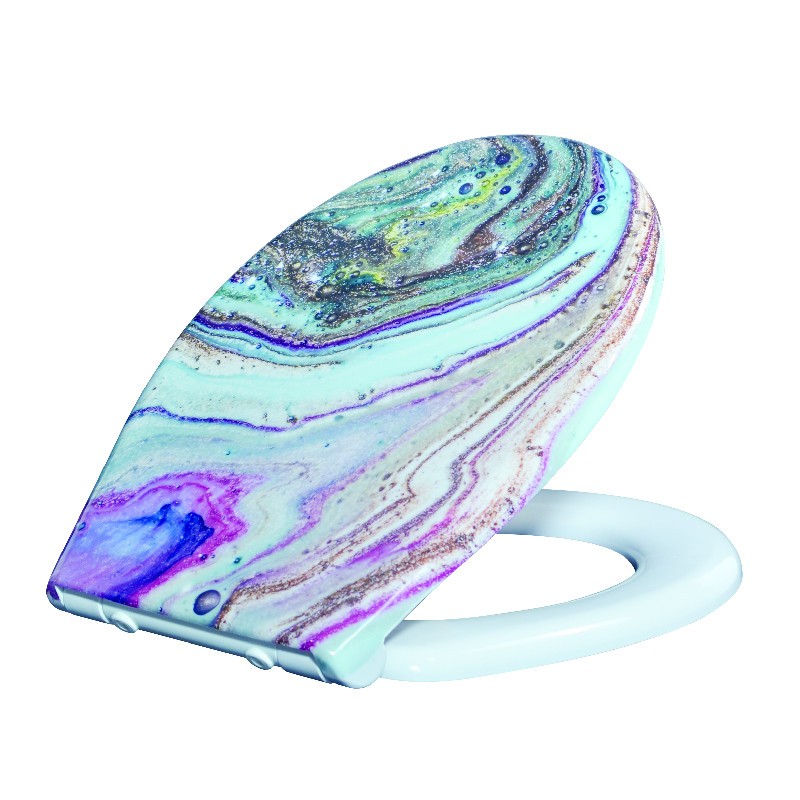
toilet seat covers
U Shaped Toilet Seat: The Most Durable Design
The U shaped toilet seat features an open front with a gap facing the user. This U shaped toilet seat is mandated by many health codes for public restrooms. Why is the U shaped toilet seat so durable? First, the missing front section eliminates the weakest point of a solid round toilet seat or square toilet seat. Second, the U shaped toilet seat allows the plastic or composite material to flex without cracking at the front midline. Third, a U shaped toilet seat discourages standing on the front rim because there is no central support area. Field studies show that a U shaped toilet seat lasts 3 to 5 times longer than a comparable round toilet seat in busy transit stations. Additionally, the U shaped toilet seat accommodates disposable toilet seat covers easily, as the open front prevents cover slippage. For any high-traffic public restroom, the U shaped toilet seat is the undisputed champion of durability.
Toilet Seat Covers and Shape Compatibility
Disposable toilet seat covers are often used in public restrooms to enhance hygiene. However, not every toilet seat shape works well with toilet seat covers. A round toilet seat requires toilet seat covers that are smaller and more prone to shifting. A square toilet seat poses even greater problems, because toilet seat covers are almost never manufactured in a square shape. Standard toilet seat covers are designed for rounded or U-shaped contours. When placed on a square toilet seat, the toilet seat covers leave exposed corners or bunch up uncomfortably. The U shaped toilet seat, interestingly, holds toilet seat covers most securely because the open front creates anchor points. When users sit on a U shaped toilet seat with toilet seat covers, the covers do not slip forward. This compatibility reduces waste and improves user experience. Therefore, when choosing a durable toilet seat, also consider how well it pairs with toilet seat covers. The U shaped toilet seat wins again.
After comparing all options, the U shaped toilet seat is the most durable shape for public use. It outperforms the round toilet seat in stress distribution, impact resistance, and long-term structural integrity. The square toilet seat is the least durable and should never be installed in public restrooms. While a round toilet seat may work for very light traffic, any facility with daily crowds should install U shaped toilet seat models. Additionally, U shaped toilet seat designs work seamlessly with disposable toilet seat covers, improving hygiene without sacrificing strength. Remember that even the best toilet seat shape requires proper hinges and wall thickness. But when starting from scratch, choose the U shaped toilet seat over any round toilet seat or square toilet seat. Your maintenance budget and your users will thank you.
Xiamen Xinkangfei Import & Export Co., Ltd., established in 2017, is located in Xiamen, China. We own an industrial park of approximately 40,000 square meters in Zhejiang Province. We are a professional manufacturer of high-quality toilet seats, committed to becoming a first-class enterprise in product quality and service, and continuously improving our independent innovation capabilities. With years of experience, Xinkangfei boasts a highly qualified professional R&D team, has mastered world-class toilet seat technology, and holds over 10 patents. We provide OEM/ODM services, customizing colors, logos, packaging, and product molds.
