
When upgrading a bathroom, comfort is often the top priority. Yet many overlook how the shape of the toilet seat affects daily user experience. Two modern designs have emerged: the V shaped toilet seat and the U shaped toilet seat. But which one feels better for extended sitting? This article compares both profiles, examining how each toilet seat shape interacts with the toilet lid and disposable toilet seat covers.
Understanding the V Shaped Toilet Seat: Sleek but Narrow
The V shaped toilet seat features a sharp, angled front that comes to a distinct point. This V shaped toilet seat is often seen in contemporary European and Asian bathroom designs. Proponents of the V shaped toilet seat argue that the tapered front allows easier cleaning and a modern aesthetic. However, when evaluating comfort, the V shaped toilet seat presents challenges. The pointed front offers less support for the thighs, especially for larger users. Additionally, a V shaped toilet seat often has a narrower internal opening, which can create pressure points. While the V shaped toilet seat looks stylish, prolonged sitting on a V shaped toilet seat may cause discomfort. Furthermore, standard toilet seat covers rarely fit a V shaped toilet seat properly, as most covers are designed for rounded or U-shaped contours.
Understanding the U Shaped Toilet Seat: Open and Ergonomic
The U shaped toilet seat has an open front with a smooth, curved gap. This U shaped toilet seat is commonly found in public restrooms, but it is also gaining popularity for residential use. Why is the U shaped toilet seat often considered more comfortable? The open-front design of a U shaped toilet seat reduces pressure on the perineal area, which is beneficial for users with circulation issues or postpartum discomfort. Moreover, a U shaped toilet seat allows the thighs to rest on two separate, well-supported pads rather than a continuous ring. This design naturally accommodates a wider range of body types. When comparing a U shaped toilet seat to a V shaped toilet seat, the U shaped toilet seat provides superior weight distribution. Most users report that a U shaped toilet seat feels more forgiving during extended sitting sessions.
Toilet Seat Covers: Which Shape Works Best?
Disposable toilet seat covers are widely used in public restrooms and some homes to enhance hygiene. But how do toilet seat covers fit on a V shaped toilet seat versus a U shaped toilet seat? Most toilet seat covers are manufactured with a rounded or U-shaped front profile. When placed on a V shaped toilet seat, standard toilet seat covers will leave the pointed tip exposed or will bunch up awkwardly. This reduces the protective benefit of toilet seat covers. Conversely, a U shaped toilet seat aligns perfectly with the open-front design of most toilet seat covers. The toilet seat covers grip the two front prongs of the U shaped toilet seat securely, preventing slippage. If you plan to use toilet seat covers regularly, the U shaped toilet seat is clearly the better choice over the V shaped toilet seat.
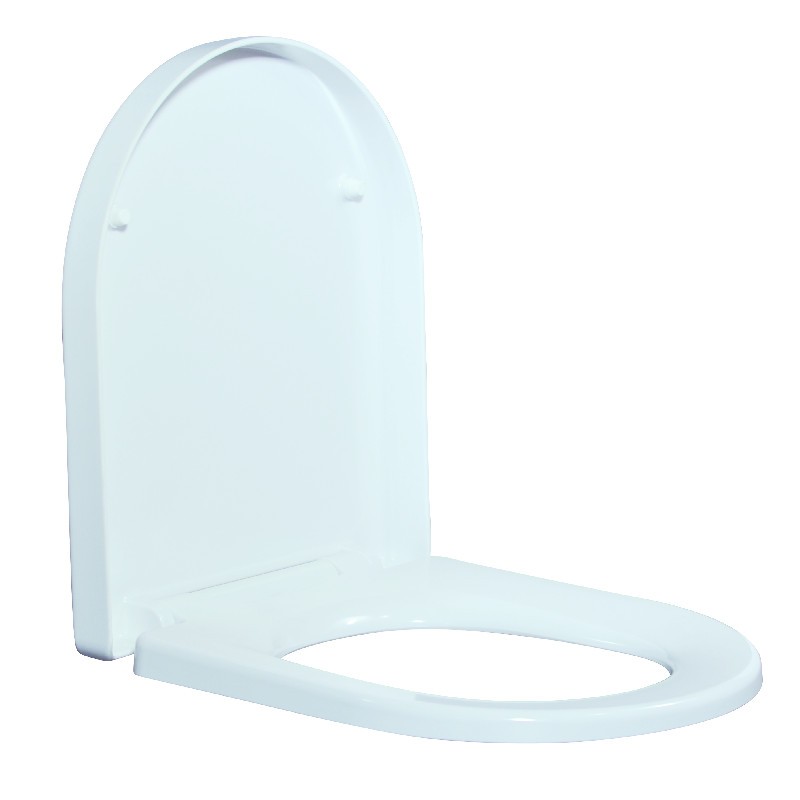
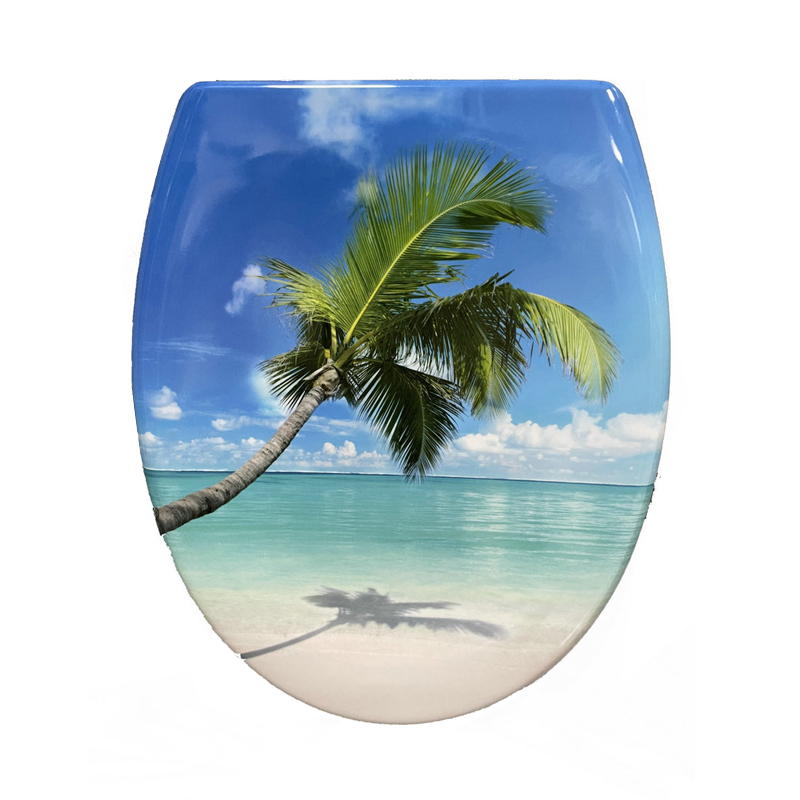
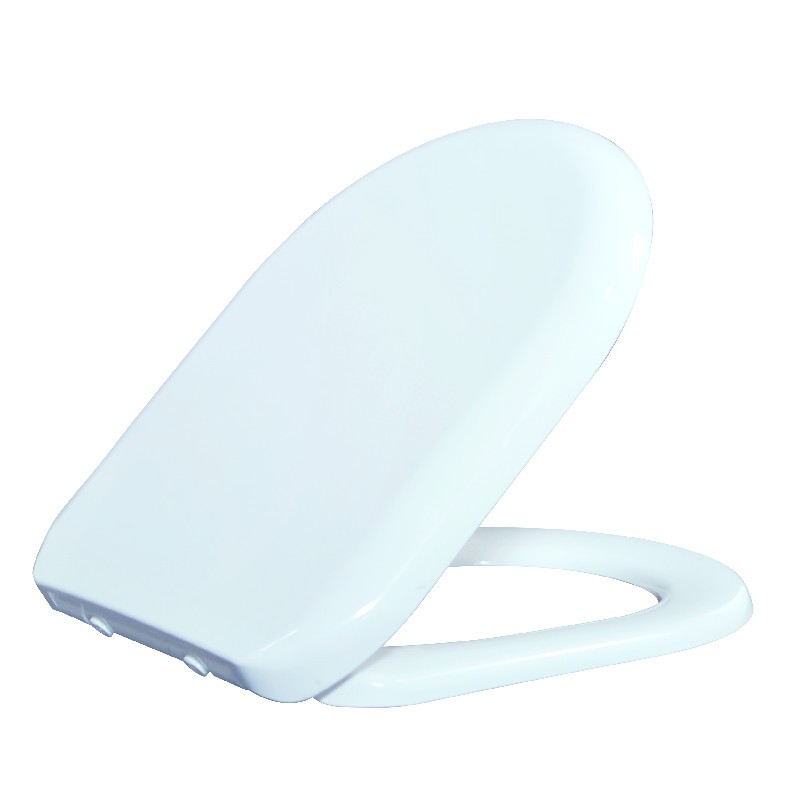
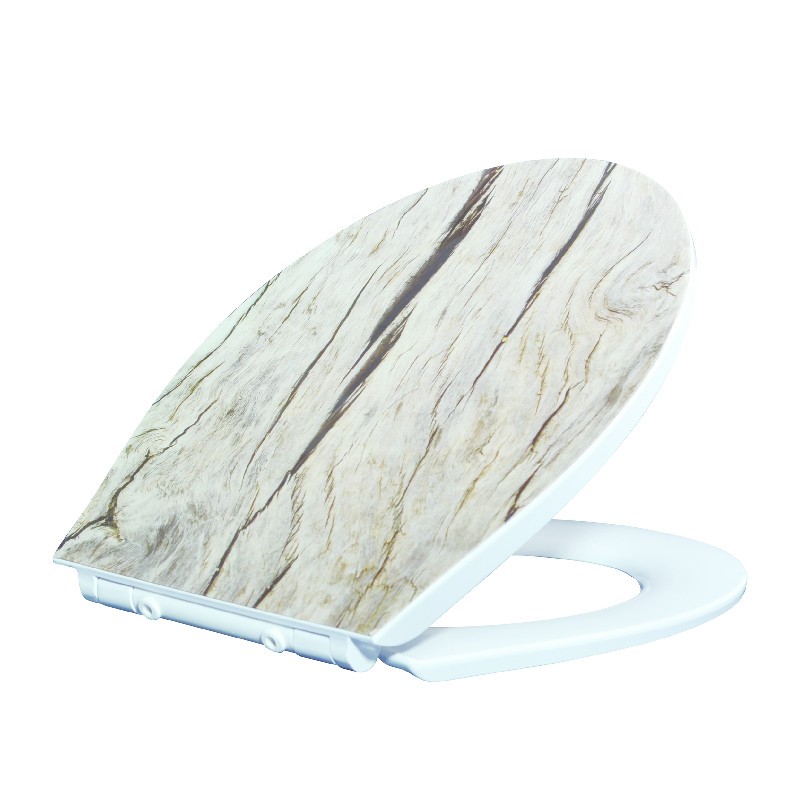
toilet lid
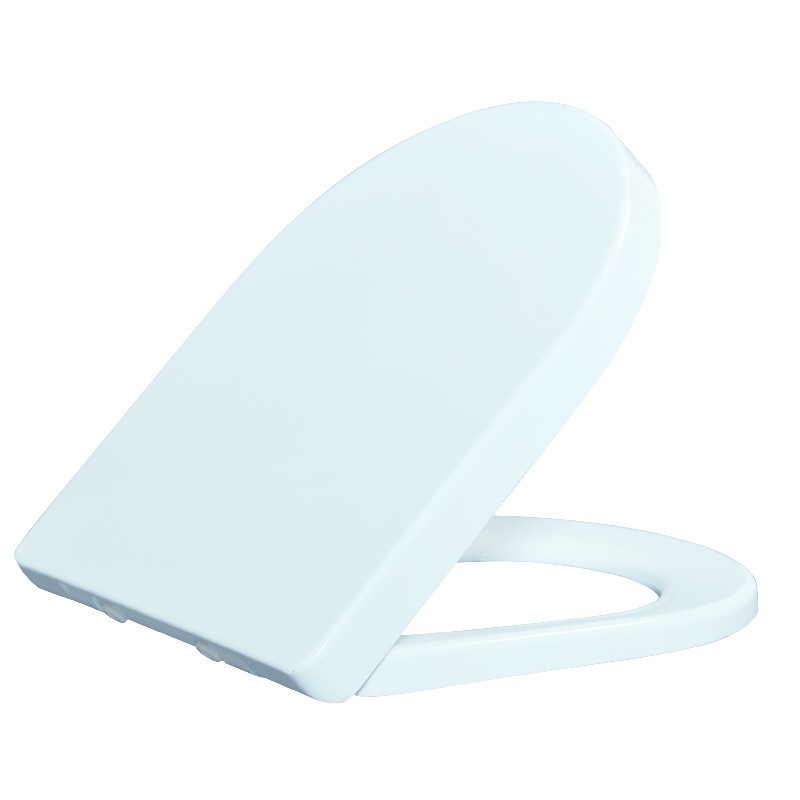
toilet lid
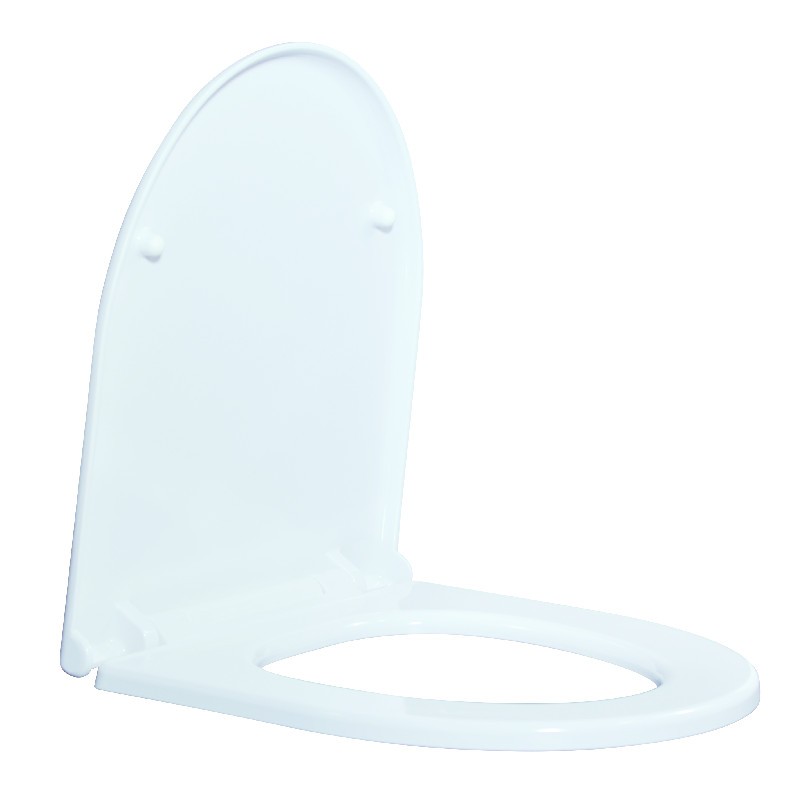
toilet lid
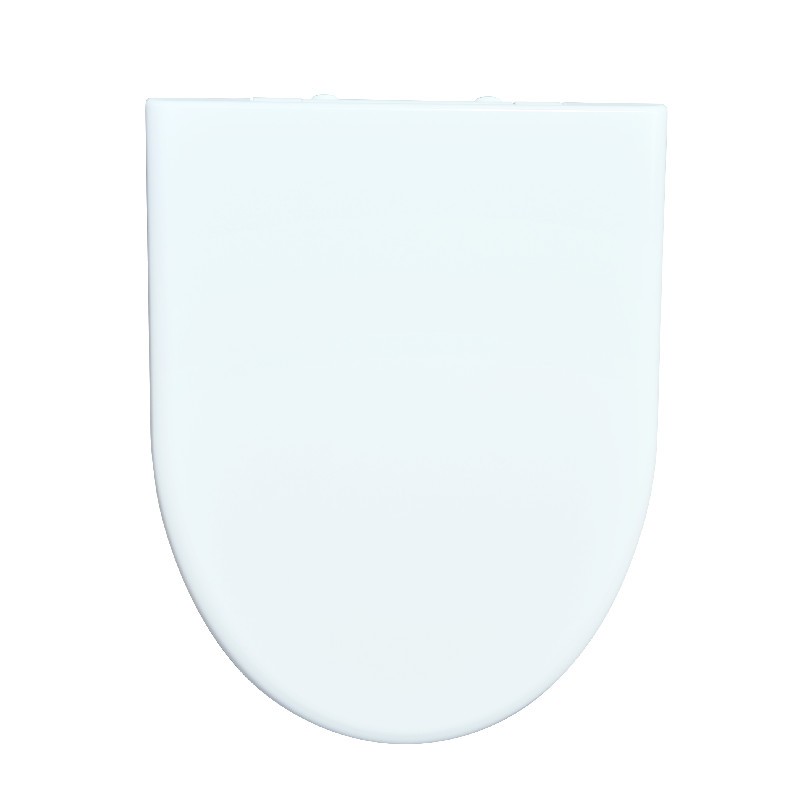
toilet lid
Pressure Mapping: Comparing V Shaped Toilet Seat vs U Shaped Toilet Seat
Biomechanical studies on toilet seat comfort use pressure mapping technology. When a person sits on a V shaped toilet seat, pressure concentrates on the ischial tuberosities (sit bones) and the upper thighs. The pointed front of a V shaped toilet seat provides minimal support to the lower thighs, forcing the user to shift weight backward. This can lead to numbness over time. In contrast, a U shaped toilet seat distributes pressure more evenly across the entire sitting surface. The open front of a U shaped toilet seat eliminates contact with sensitive tissues, while the two rear lobes support the sit bones. For users with coccyx pain or hemorrhoids, a U shaped toilet seat is often recommended by healthcare professionals. The V shaped toilet seat, despite its visual appeal, simply cannot match the ergonomic performance of a U shaped toilet seat.
Material and Maintenance: Does Shape Affect Durability?
Comfort is not only about sitting feel—it also involves long-term usability. A V shaped toilet seat often uses thinner material at the pointed tip, making it prone to cracking under heavy use. The sharp angle of a V shaped toilet seat concentrates stress, especially if users lean forward. A U shaped toilet seat, with its curved open front, eliminates sharp corners and distributes force more evenly. Furthermore, cleaning a U shaped toilet seat is easier because the open gap allows access to the bowl rim. A V shaped toilet seat traps debris in the pointed front corner. When combined with a soft-close toilet lid, the U shaped toilet seat provides a quieter, more comfortable experience. For households with children or elderly members, the U shaped toilet seat is the safer, more comfortable investment.
After a thorough comparison, the U shaped toilet seat is significantly more comfortable than the V shaped toilet seat. The U shaped toilet seat offers better ergonomics, wider pressure distribution, and superior compatibility with toilet seat covers and the toilet lid. While the V shaped toilet seat may appeal to design enthusiasts, its narrow front and custom requirements reduce everyday comfort. For most users, a U shaped toilet seat provides a relaxing, pain-free sitting experience. When shopping for a new toilet seat, prioritize shape over aesthetics. Choose the U shaped toilet seat for your master bathroom, guest powder room, or commercial facility. Your body will thank you every time you sit down.
